Where Do Antique Booth Vendors Find Their Inventory?
One of the most common questions new vendors ask is where antique booth sellers actually find the items they sell.
At first glance it may seem like successful vendors have secret sources or special connections. In reality, most vendors simply develop a system for finding inventory from several different places.
Over time, experienced vendors learn that relying on just one source rarely provides enough variety or consistency. The most successful booths tend to draw inventory from multiple places, allowing vendors to keep their booths stocked with items customers want to buy.
Estate Sales
Estate sales are one of the most reliable places for vendors to find vintage and antique items.
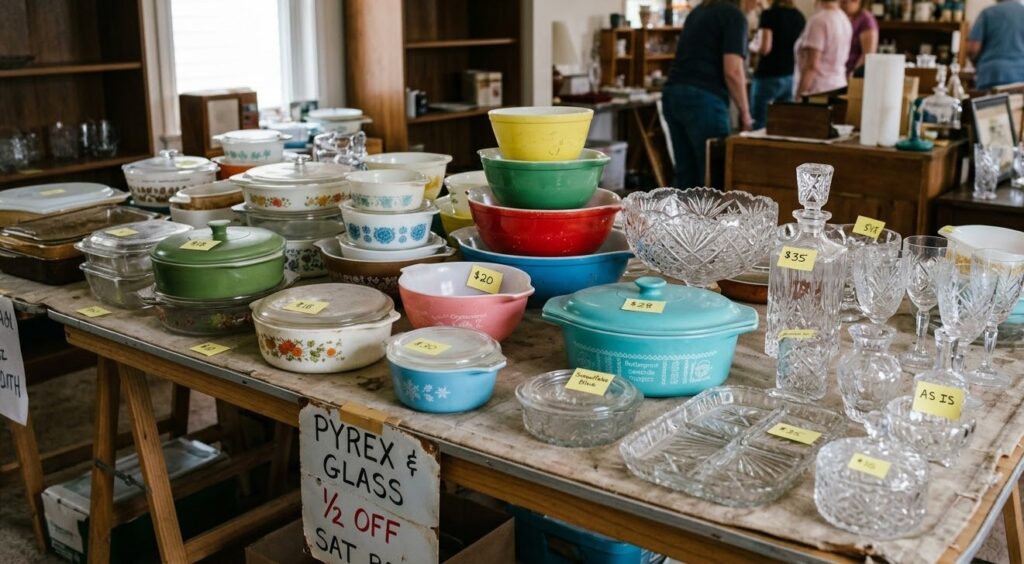
These sales often occur when a household is being liquidated and can include decades of accumulated belongings. Because entire homes are being cleared out, vendors often find a wide variety of items in a single visit.
Common items vendors find at estate sales include:
- vintage kitchenware
- glassware and Pyrex
- small collectibles
- vintage linens
- decorative home items
Estate sales can also provide opportunities to purchase multiple items at once, which helps vendors maintain the inventory depth needed for a successful booth. Be wary at estate sales, we have noticed a rising trend in price increases at almost value or sometimes above actual value.
Sometimes fads lead to dramatic increases in pricing so just be aware of that.
Understanding how much inventory a booth actually needs is an important part of booth planning. If you’re unsure how much merchandise your booth should contain, see How Much Inventory Does an Antique Booth Need.
Yard Sales and Garage Sales
Yard sales and garage sales remain one of the most common sources of inventory for antique mall vendors.
While many yard sales contain mostly modern items, patient vendors often uncover older pieces that sellers simply want to move quickly.
Some advantages of yard sales include:
- very low starting prices
- opportunities to bundle multiple items
- frequent local availability
Many experienced vendors visit yard sales regularly during the warmer months and gradually build up inventory over time.
Even small items purchased for a few dollars can become profitable inventory once placed in the right booth environment.
Traveling around on weekends and finding yard sales is one of my favorite things to do, a lot of times we leave empty handed but it’s the relaxing atmosphere and meeting new people that I enjoy on these trips.
Local Auctions
Auctions can be another valuable source of inventory for vendors.
Estate auctions, farm auctions, and consignment auctions often include vintage items, antiques, and collectibles that can perform well in antique mall booths.
Auctions sometimes offer the advantage of purchasing large quantities of items at once. Vendors may buy entire box lots or collections and later sort through them to identify pieces suitable for their booth.
This approach allows vendors to acquire inventory efficiently while maintaining enough variety to keep their booth interesting. I may be missing out but haven’t been to an auction in a while. Sometimes you can buy lot boxes of vintage items.
Thrift Stores
Thrift stores can also provide occasional inventory opportunities for vendors.
Because thrift stores receive a constant flow of donated goods, their inventory changes frequently. Vendors who visit regularly sometimes find vintage items mixed in with more modern merchandise.
Some vendors develop a routine of checking thrift stores weekly or even several times a week to catch items before other buyers discover them.
While thrift stores may not always provide large quantities of inventory, they can still produce useful items for booth displays.
This is another one that has seen dramatic price increases, worst part is its on donated goods. It’s almost like they have employees combing Etsy and eBay and marking down the first high price they see; a very inaccurate way of valuing an item.
Flea Markets
Flea markets can serve two different roles for antique booth vendors.
First, they can provide inventory directly when vendors sell vintage items themselves.
Second, flea markets often contain other dealers who may be selling items at wholesale or dealer-friendly prices.
Some vendors build relationships with flea market sellers and purchase items in larger quantities, helping them maintain steady booth inventory.
Watch out for fakes when buying glassware, look at the wear, look for repairs, and look for chips and fleabites.
Buying From Other Vendors
An inventory source that many vendors overlook is other vendors.
Sometimes booths contain items that may not sell well in one store but could perform better in another setting.
Occasionally vendors will:
- purchase slow-moving inventory from another booth
- trade items with other dealers
- buy collections from retiring vendors
This type of inventory movement is common in the antique world and can help vendors refresh their booth while keeping items circulating.
Understanding What Actually Sells
Finding inventory is only part of the process. Vendors also need to understand which types of items customers are actively buying.
Every antique mall develops its own customer base over time, and certain categories tend to perform better depending on the store and location.
Items that commonly sell well in many antique malls include:
- vintage kitchenware
- small home décor items
- seasonal decorations
- vintage glassware
- collectible advertising pieces
Understanding which items attract attention can help vendors focus their inventory efforts more effectively.
For a deeper look at strong inventory categories, see What Sells Best in Antique Mall Booths.
Inventory and Booth Performance
Even when vendors find good inventory sources, booths can still struggle if inventory levels remain too low.
A booth that only contains a handful of items may not give customers enough reason to stop and browse.
Many successful vendors maintain inventory with a sell value several times higher than their monthly booth rent. This allows booths to feel visually full and gives shoppers more opportunities to discover something they want to buy.
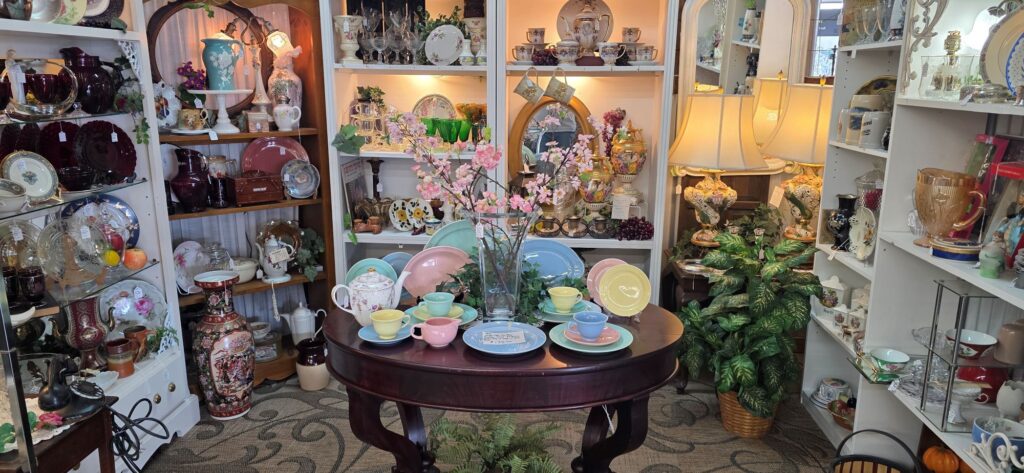
Inventory depth plays a major role in booth success and often explains why some booths perform consistently better than others. It’s not just having a bunch of items; it is also about having complimentary items, items the customer doesn’t even know they are looking for. What I want you to think about is vignettes and why they work.
Understanding Profit Potential
As vendors begin sourcing inventory more regularly, it also becomes important to understand the financial side of booth selling.
Factors such as:
- booth rent
- commission percentages
- credit card processing fees
- cost of goods
all affect how profitable a booth can be.
Estimating these numbers can help vendors determine which types of items make the most sense for their booth.
Use the Booth Profit Calculator can help vendors estimate break-even sales levels and understand how pricing and inventory decisions affect profitability.
Final Thoughts
Successful antique booth vendors rarely rely on a single inventory source.
Instead, most develop a routine that includes several different places to search for merchandise. Estate sales, auctions, yard sales, and other vendors can all become valuable parts of a sourcing system.
Over time, vendors learn which sources consistently produce items that fit their booth and appeal to customers.
By combining reliable inventory sources with thoughtful pricing, presentation, and steady restocking, vendors can build booths that remain active and engaging for shoppers.
Related Guides for Booth Vendors
If you’re learning about antique mall booths, these guides may also help:
- How Antique Mall Booths Work: A Complete Guide for New Vendors
- Starting an Antique Mall Booth Business: A Step-by-Step Guide
- What Sells Best in Antique Mall Booths? A Guide for Vendors
- How Much Inventory Does an Antique Booth Need
- Booth Profit Calculator
Free Vendor Resources
We have a number of free booth vendor tools to use if you need help with figuring out your numbers. You will see that each calculator serves a different purpose but for an all in one I recommend the Booth Profit Calculator Pro. These tools were designed with the principles laid out in the Vintage Hustle Book Series.
Vintage Hustle Book Series
If you’re interested in learning more about booth strategy, inventory planning, and vendor growth, the Vintage Hustle series dives deeper into the principles behind building profitable antique mall booths. If you prefer to get through Amazon or ebook click here.