How do you design a booth that actually sells?
Designing an antique mall booth is more than simply placing items on shelves. The layout and presentation of a booth can strongly influence how customers interact with the space and whether they decide to make a purchase.
A well-designed booth encourages shoppers to slow down, explore the items inside, and discover something they want to take home.
Understanding a few basic merchandising principles can help vendors create booths that attract attention and generate more consistent sales.
Start With a Clear Booth Theme
One of the most effective ways to design a booth that stands out is to create a clear theme.
When customers walk past a booth, they should quickly understand what type of items they will find there.
Some vendors focus on categories such as:
- vintage kitchenware
- primitive décor
- farmhouse items
- vintage glassware
- collectibles
A booth with a recognizable style helps customers remember it and makes it easier for them to find items that match their interests.
Create a Strong Focal Point
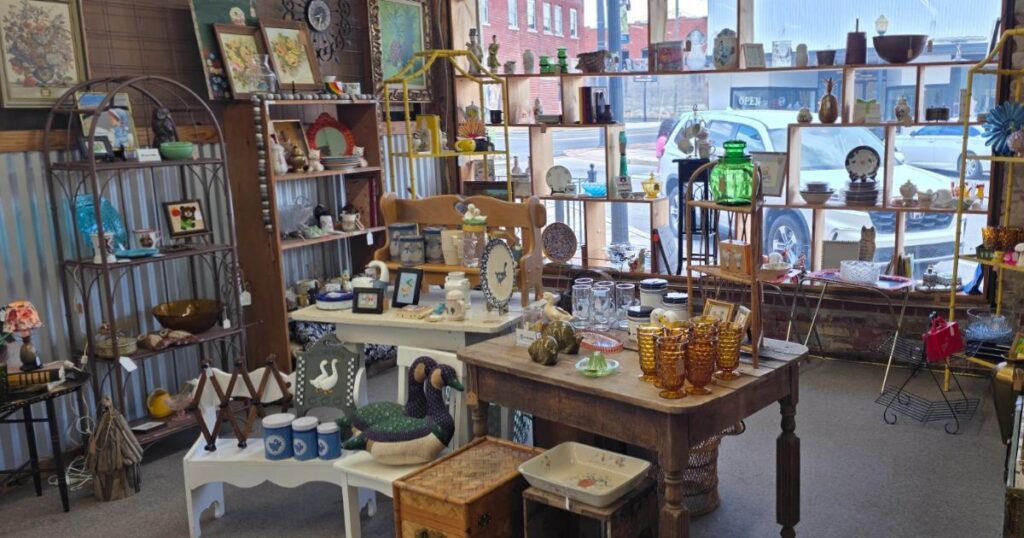
Every successful booth has a focal point that draws attention.
This could be:
- a piece of furniture
- a large display item
- a seasonal arrangement
- a unique collectible
The focal point acts as a visual anchor that invites shoppers to step into the booth.
Without a focal point, a booth may blend into the surrounding spaces and fail to catch the shopper’s eye.
Use Height and Layering
Flat displays often look dull and uninteresting.
Adding height variation helps create visual interest and allows customers to see more items at once.
Some ways vendors create height include:
- shelves
- stacked crates
- risers
- small furniture pieces
- wall displays
Layering items at different heights helps the booth feel dynamic rather than flat.
Avoid Overcrowding
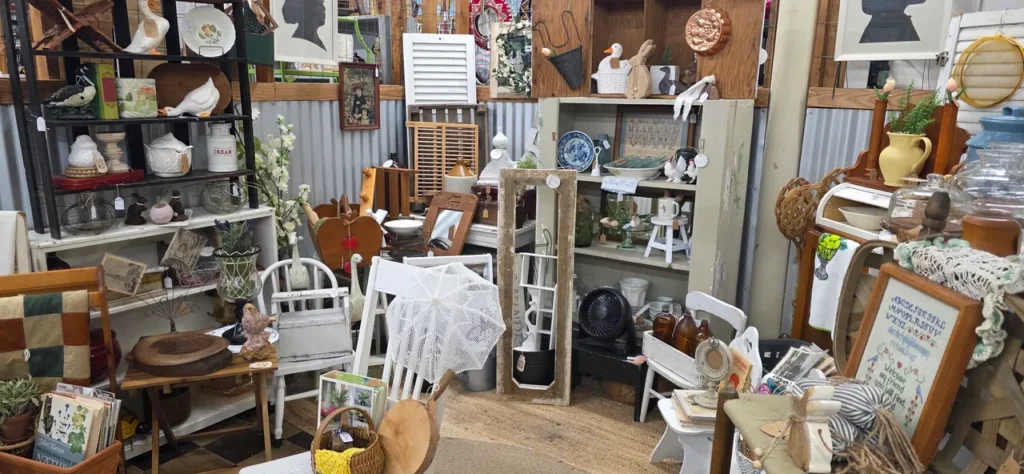
While inventory depth is important, overcrowding can make a booth difficult to browse.
If customers feel they must dig through piles of merchandise, they may simply move on to the next booth.
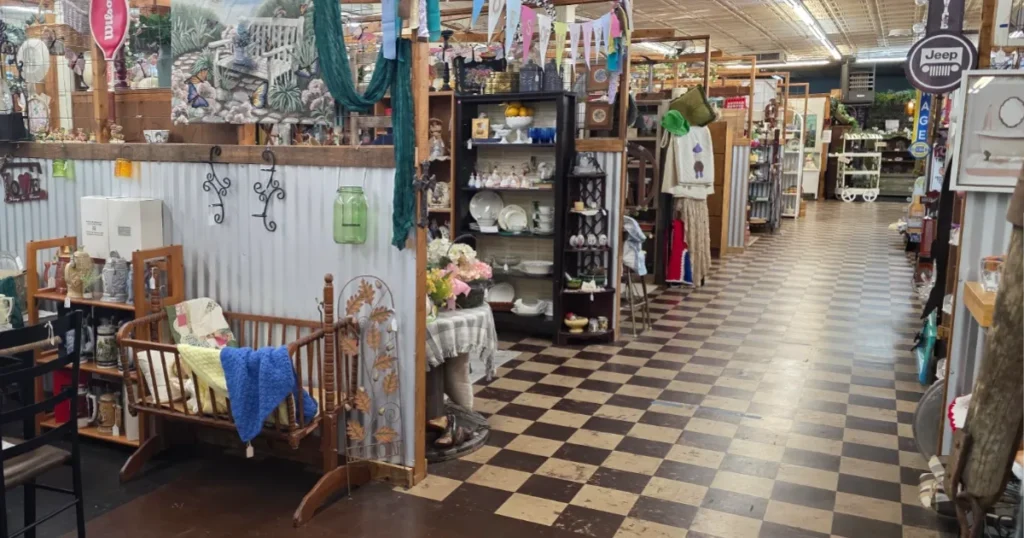
Good booth design leaves enough space so shoppers can easily see individual items.
Clear pathways and organized displays make the booth feel more inviting.
Keep the Booth Fresh
Customers who regularly visit antique malls often return because they enjoy discovering new items.
A booth that never changes quickly loses its ability to attract repeat buyers.
Successful vendors often refresh their booths by:
- adding new inventory
- rearranging displays
- rotating seasonal items
- replacing slow-moving pieces
Even small changes can make a booth feel new again.
Price Items Clearly
Another overlooked part of booth design is pricing visibility.
Customers are far more likely to purchase items when prices are clearly displayed.
Hidden price tags or confusing labeling can cause shoppers to skip items entirely.
Good pricing practices include:
- easy-to-read tags
- consistent labeling
- visible placement on items
Clear pricing removes uncertainty and encourages purchasing decisions.
Pay Attention to Lighting
Lighting can dramatically affect how merchandise looks inside a booth.
Dim lighting can make items appear dull or difficult to see, while brighter lighting helps highlight colors, textures, and details.
Many vendors improve booth visibility by using small accent lights or adjusting how items are positioned within the available lighting.
Good lighting helps merchandise stand out and attracts shoppers from the aisle.
Understand the Numbers Behind the Booth
Even a beautifully designed booth must still function as a business.
Understanding the relationship between booth rent, inventory investment, and sales volume is important for long-term success.
Many vendors estimate their booth’s performance using tools such as the Booth Profit Calculator to better understand break-even sales and inventory requirements.
Combining strong booth design with clear financial planning helps vendors make more informed decisions.
Final Thoughts
Designing an antique mall booth that sells requires more than good inventory. Presentation, layout, and restocking all play an important role in how customers interact with the space.
Booths that perform well typically share several characteristics:
- clear themes
- strong focal points
- balanced displays
- organized inventory
- regular refreshes
By paying attention to these elements, vendors can create booths that attract shoppers and encourage consistent sales over time.
Related Guides for Booth Vendors
If you’re learning about antique mall booths, these guides may also help:
- Starting an Antique Mall Booth Business
- How Antique Mall Booths Work
- Why Antique Mall Booths Fail
- Booth Profit Calculator
Free Vendor Resources
We have a number of free booth vendor tools to use if you need help with figuring out your numbers. You will see that each calculator serves a different purpose but for an all in one I recommend the Booth Profit Calculator Pro. These tools were designed with the principles laid out in the Vintage Hustle Book Series.
Vintage Hustle Book Series
If you’re interested in learning more about booth strategy, inventory planning, and vendor growth, the Vintage Hustle series dives deeper into the principles behind building profitable antique mall booths. If you prefer to get through Amazon or ebook click here.