How Much Should an Antique Mall Booth Make?
One of the most common questions antique mall vendors ask is simple:
“How much should my booth actually make?”
It’s an important question because many vendors enter the antique mall business without clear expectations. Some booths perform extremely well, while others struggle to cover expenses. Understanding what a healthy booth looks like financially can help vendors make better decisions about inventory, pricing, and booth management.
The truth is there is no single number that applies to every antique mall booth. Sales depend on many factors including location, store traffic, inventory selection, and how actively the booth is maintained. However, there are several patterns that successful booths tend to follow.
Understanding Booth Performance
Many vendors eventually begin wondering whether their antique booth is performing well.
After the initial excitement of setting up a booth, the question often becomes:
“Is my booth doing as well as it should?”
Because antique malls vary widely in size, location, and customer traffic, there is no single number that applies to every booth. However, there are several common patterns that can help vendors evaluate their booth performance and set realistic expectations.
Understanding these patterns can help vendors make informed decisions about inventory, pricing, and booth growth.
Sales and Booth Rent
One of the most common ways vendors evaluate booth performance is by comparing monthly sales to the cost of booth rent.
While every store is different, many successful booths tend to produce sales several times higher than their monthly rent.
For example, if a booth rents for $200 per month, vendors often aim for sales that are multiple times higher than that amount.
This helps ensure that the booth is generating enough revenue to cover expenses such as:
- booth rent
- sales commissions
- credit card processing fees
- cost of inventory
When vendors understand this relationship between rent and sales, it becomes easier to evaluate whether their booth is performing well.
Inventory Depth and Sales Potential
Sales potential is closely connected to the amount of inventory in the booth.
A booth with only a handful of items simply cannot generate the same sales volume as a booth with a large variety of merchandise.
Many successful vendors maintain inventory with a retail value several times greater than their monthly booth rent. This allows booths to feel full, gives customers more choices, and increases the chances of making multiple sales.
If you want a deeper look at how inventory levels affect booth performance, see How Much Inventory Does an Antique Booth Need.
Inventory Turnover
Another important factor in booth performance is inventory turnover.
Some booths appear busy and well-stocked, yet the same items remain in place for long periods. When inventory does not rotate regularly, sales can slow down even if the booth initially looked strong.
Successful booths typically maintain a steady rhythm of:
- adding new items
- rotating displays
- adjusting prices on older inventory
This keeps the booth feeling active and encourages repeat customers to browse again.
Pricing and Customer Expectations
Pricing also plays a major role in booth performance.
Antique mall shoppers often browse multiple booths during a visit and compare similar items. If items are priced significantly higher than comparable pieces elsewhere in the store, customers may choose to buy from another booth.
On the other hand, items that are priced competitively tend to sell more frequently and create steady booth turnover.
For a deeper discussion of booth pricing strategies, see How to Price Items in an Antique Mall Booth.
The Role of Booth Presentation
Booth presentation can also affect how well a booth performs.
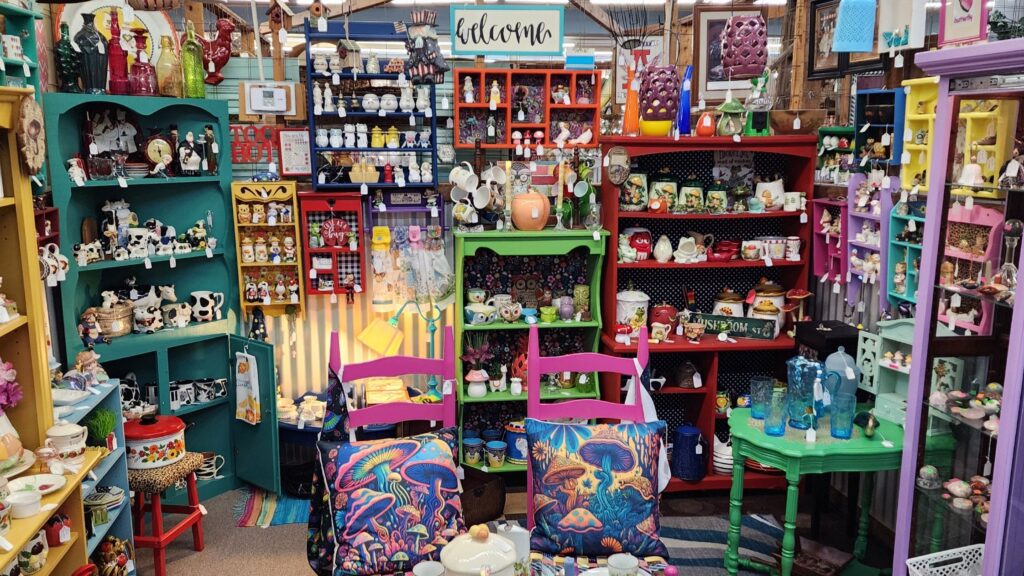
Customers often decide within a few seconds whether to stop and browse a booth. Displays that are visually interesting and easy to explore tend to attract more attention from passing shoppers.
Successful booths often use:
- layered displays
- vertical space
- clear focal points
- varied item heights
These techniques help guide the customer’s eye and make the booth feel inviting.
For a deeper look at booth layout strategies, see How to Design an Antique Mall Booth That Sells.
Understanding Profit Potential
While sales numbers are important, vendors should also consider the full financial picture of their booth.
Expenses such as:
- booth rent
- commission percentages
- credit card fees
- cost of goods
all affect the final profit a booth generates.
Estimating these numbers can help vendors determine what sales levels are necessary for their booth to remain profitable.
Tools such as the Booth Profit Calculator can help vendors estimate break-even sales levels and better understand how different inventory or pricing strategies affect profitability.
Final Thoughts
Every antique mall booth is unique, and performance can vary depending on location, inventory selection, and customer demand.
Rather than focusing on a single sales number, vendors often benefit from looking at several factors together: inventory depth, pricing, presentation, and turnover.
When these elements work together, booths tend to produce steady sales and remain engaging for customers.
Over time, paying attention to these patterns can help vendors better understand what works in their particular store and gradually improve booth performance.
So, the question isn’t, How Much Should an Antique Mall Booth Make?
The question should be, How much can my booth make?
Related Guides for Booth Vendors
If you’re learning about antique mall booths, these guides may also help:
- How Antique Mall Booths Work
- Starting an Antique Mall Booth Business
- How Much Inventory Does an Antique Booth Need
- How to Price Items in an Antique Mall Booth
- Booth Profit Calculator
Free Vendor Resources
We have a number of free booth vendor tools to use if you need help with figuring out your numbers. You will see that each calculator serves a different purpose but for an all in one I recommend the Booth Profit Calculator Pro. These tools were designed with the principles laid out in the Vintage Hustle Book Series.
Vintage Hustle Book Series
If you’re interested in learning more about booth strategy, inventory planning, and vendor growth, the Vintage Hustle series dives deeper into the principles behind building profitable antique mall booths. If you prefer to get through Amazon or ebook click here.