What Sells Best in Antique Mall Booths?
Many vendors wonder what sells best in antique mall booths, especially when they are first starting out. When someone rents their first booth, one of the biggest challenges is deciding what types of inventory to focus on. With so many different antiques, vintage items, and collectibles available, it can be difficult to know which pieces will actually attract buyers and generate steady sales.
While every antique mall has its own customer base, certain categories consistently perform well across many locations. These items tend to appeal to a wide range of shoppers, from serious collectors to casual visitors looking for unique home décor. Vendors who focus on these reliable categories often find it easier to maintain steady sales and keep their booths active.
Another important factor to remember is that antique mall shoppers often come looking for items they cannot easily find in large retail stores. Vintage pieces carry a sense of history and character that modern products often lack. Whether customers are decorating their homes, collecting specific items, or searching for nostalgic pieces from their past, antique malls offer something different from typical retail environments.
Understanding which types of items tend to move quickly can help vendors choose inventory that attracts buyers and keeps their booth turning over regularly. By focusing on categories that consistently perform well—while still leaving room for unique finds—vendors can build booths that draw attention and generate repeat customers over time.
Vintage or Repurposed Furniture
Furniture is often one of the anchor categories in successful antique mall booths. While it may not sell as frequently as small décor items, it can generate higher individual sales and draw attention to a booth.
Many vendors use furniture pieces to create structure and visual interest within their displays.
Common furniture items that perform well include:
- small tables and side tables
- vintage cabinets and hutches
- painted or refinished furniture
- wooden chairs and stools
- farmhouse-style benches
Repurposed furniture has become especially popular. Vendors often update older pieces with fresh paint, new hardware, or light refinishing to give them new life while preserving their vintage character.
Furniture also serves an important merchandising purpose. Tables, cabinets, and shelving units provide surfaces to display smaller items such as glassware, linens, and collectibles.
A well-placed furniture piece can become the focal point of a booth and encourage shoppers to stop and explore the surrounding displays.
Because furniture takes up more space, vendors typically balance larger pieces with plenty of smaller items that can turn over more quickly. When done well, furniture can elevate the overall look of a booth while also generating strong individual sales.
Vintage Kitchenware
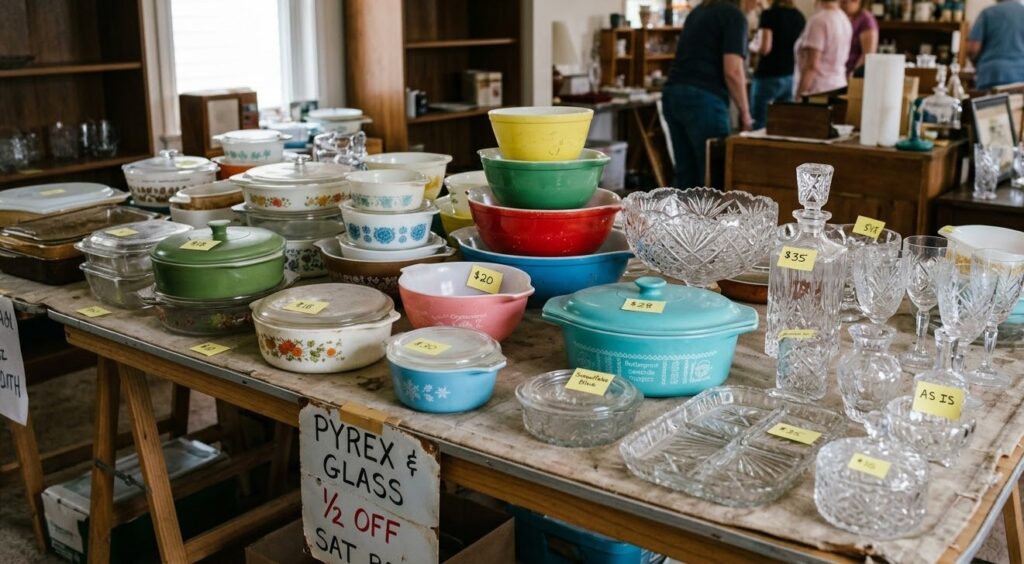
Vintage kitchen items are among the most reliable sellers in antique malls. These pieces appeal to a wide range of shoppers, from serious collectors to people simply looking for unique décor to display in their homes. Because kitchens are central gathering places in many homes, vintage kitchen items often carry strong nostalgic value.
Many shoppers enjoy collecting or decorating with pieces that remind them of earlier generations. Items that resemble what people remember from their grandparents’ kitchens often trigger emotional connections, which can make them especially appealing to buyers. These pieces are not only functional but also serve as decorative accents that add character and warmth to modern homes.
Popular items include:
- Pyrex and vintage glassware
- mixing bowls
- enamelware
- cast iron cookware
- vintage utensils and gadgets
Vintage Pyrex is particularly popular and has developed a strong collector community. Certain patterns, colors, and sizes are highly sought after and can command higher prices. Even common pieces tend to sell consistently because many customers enjoy mixing vintage kitchenware into everyday use.
Cast iron cookware is another dependable category. Many buyers prefer older cast iron pieces because of their durability and cooking performance. When properly cleaned and seasoned, vintage cast iron often sells quickly in antique mall environments.
Vintage utensils and kitchen gadgets can also be surprisingly strong sellers. Items such as hand mixers, egg beaters, rolling pins, sifters, and measuring tools often attract buyers who enjoy both their functionality and their nostalgic appearance.
These items appeal to both collectors and people decorating farmhouse-style kitchens. Because many vintage kitchen pieces are relatively small and easy to display, they also make convenient purchases for shoppers browsing antique malls.
For vendors, vintage kitchenware provides a category that combines strong customer interest with relatively easy sourcing. Many of these items can still be found at estate sales, yard sales, and auctions, making them accessible inventory for vendors building or expanding their booths.
Small Home Décor
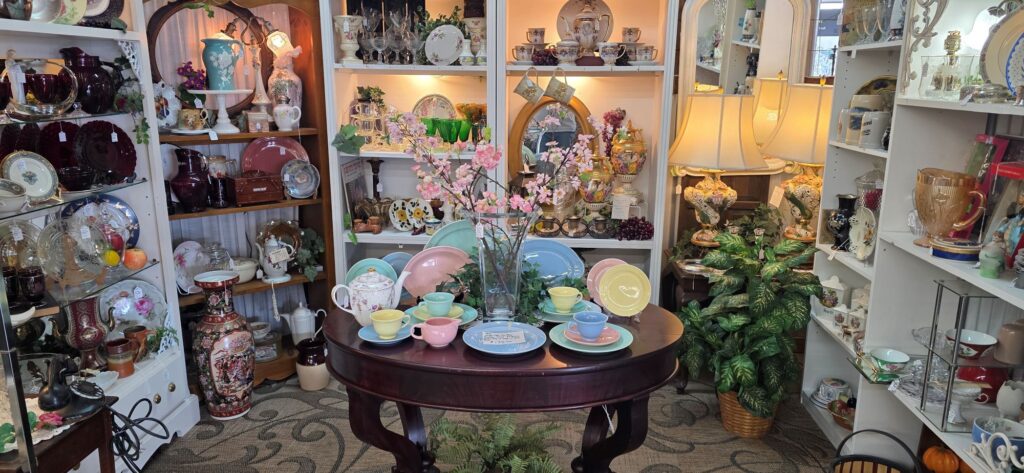
Small décor items tend to sell well in antique mall booths because they are easy for customers to carry and typically fall into comfortable price ranges. Many shoppers visit antique malls looking for small pieces that can add character to their homes without requiring a major purchase.
Because these items are relatively inexpensive compared to furniture or large antiques, they often become quick decisions for customers who are browsing multiple booths. A shopper might not plan to buy something when they walk into the store, but a small decorative item that catches their eye can easily turn into a purchase.
Examples include:
- candle holders
- small framed artwork
- vintage signs
- decorative trays
- wall hangings
These types of pieces are especially popular with customers decorating farmhouse, cottage, or vintage-inspired spaces. Small décor items also work well as gifts, which increases their appeal to shoppers who are looking for something unique but affordable.
For vendors, small décor items have another advantage: they help create visually interesting displays within a booth. Grouping several small items together can create attractive vignettes that encourage customers to stop and explore the space.
Because these items are easy to rotate and restock, they also help booths maintain a fresh appearance. Vendors who regularly bring in new small décor pieces often find that these items generate steady impulse purchases as customers browse the aisles.
Seasonal Decorations
Seasonal items can generate strong sales during certain times of the year and are an important category for many antique mall vendors. Shoppers often visit antique malls specifically to find decorations that feel more unique and nostalgic than what they might see in large retail stores.
Vintage seasonal décor tends to stand out because it often carries a charm and craftsmanship that modern decorations sometimes lack. Items from earlier decades can evoke memories of past holidays and traditions, which makes them especially appealing to customers looking for meaningful decorative pieces.
Examples include:
- vintage Christmas décor
- fall decorations
- patriotic items
- Easter decorations
- Halloween collectibles
Vintage Christmas decorations are particularly popular and often begin selling well before the holiday season actually arrives. Items such as vintage ornaments, ceramic Christmas trees, and holiday figurines frequently attract both collectors and decorators.
Fall and Halloween decorations also perform strongly in many antique malls, especially as customers begin decorating their homes earlier in the season. Patriotic décor tends to see increased interest around holidays such as Memorial Day and the Fourth of July, while Easter decorations often appeal to shoppers looking for softer seasonal displays.
Rotating seasonal inventory helps keep a booth feeling fresh and relevant throughout the year. Vendors who regularly update their displays to reflect upcoming holidays often attract repeat visitors who enjoy seeing what new seasonal items have arrived. Seasonal displays can also make booths more visually engaging, encouraging shoppers to stop and explore the space.
Vintage Advertising and Signs
Vintage advertising items are highly collectible and often attract both decorators and serious collectors. These pieces provide a glimpse into the history of everyday products and brands, which gives them strong nostalgic appeal.
Many shoppers enjoy displaying vintage advertising items in kitchens, garages, home bars, or game rooms. Because these pieces often feature bold graphics and recognizable brand names, they can easily catch a shopper’s attention while they are walking down an aisle.
Popular examples include:
- metal signs
- vintage soda advertising
- old product packaging
- tin advertising pieces
Vintage soda and beverage advertising tends to be especially popular. Brands such as Coca-Cola, Pepsi, and other regional soda companies have long histories, and their advertising pieces often appeal to collectors as well as customers decorating retro-themed spaces.
Old product packaging can also be surprisingly interesting to shoppers. Vintage tins, boxes, and containers that once held everyday household goods often feature colorful artwork and typography that reflect the design styles of their era.
These items can add personality to booths and often become focal points within displays. A well-placed advertising sign or tin can draw customers into the booth and encourage them to explore the surrounding merchandise.
For vendors, vintage advertising pieces can serve both decorative and functional purposes. They not only sell as collectible items themselves but also help create themed displays that make booths more visually engaging
Vintage Linens and Textiles
Textiles remain a favorite category for many antique mall shoppers. Vintage fabrics often feature craftsmanship, embroidery, and materials that are less common in modern household goods, which makes them appealing to both collectors and decorators.
Many customers enjoy incorporating vintage textiles into their homes because they add warmth and character to everyday spaces. Items such as handmade linens and embroidered pieces often reflect the styles and traditions of earlier generations, giving them a nostalgic quality that many shoppers appreciate.
Items that frequently perform well include:
- vintage tablecloths
- embroidered towels
- lace linens
- vintage quilts
Vintage tablecloths and lace linens are often used as decorative accents on dining tables, side tables, or hutches. Even pieces that show light signs of age can still appeal to buyers who appreciate their vintage charm.
Embroidered towels are another popular item because they combine both function and decoration. Many shoppers enjoy displaying them in kitchens or guest bathrooms as small vintage touches that add personality to a space.
Vintage quilts can also attract attention in antique mall booths. Whether displayed folded on a chair or hanging on a wall, quilts often showcase detailed patterns and handmade craftsmanship that many customers admire.
These pieces often appeal to customers who enjoy incorporating vintage touches into their homes. For vendors, textiles also offer the advantage of being lightweight and easy to display, allowing them to add texture and color to a booth while creating visually appealing displays
Unique or Conversation Pieces
Some of the most memorable booths contain items that shoppers do not expect to see. While many booths carry similar categories of inventory, unusual or distinctive pieces can immediately catch a customer’s attention and make a booth stand out from the surrounding spaces.
Unexpected items naturally create curiosity. When shoppers notice something unusual while walking through an aisle, they are often more likely to stop and take a closer look. Once a customer steps into the booth, they often begin browsing the rest of the inventory as well.
Examples might include:
- unusual vintage gadgets
- rare collectibles
- interesting historical pieces
- quirky decorative items
Vintage gadgets and tools often spark curiosity because many customers have never seen them before. Shoppers may pause to examine how the item works or try to guess what it was originally used for.
Rare collectibles and historical pieces can also become strong conversation starters. Items connected to a specific era, industry, or historical event often attract buyers who enjoy owning something with a story behind it.
Quirky decorative items can serve a similar purpose. Unusual sculptures, odd decorative pieces, or unexpected vintage objects can add personality to a booth and help it stand out among many other displays.
Even if these items do not sell immediately, they often attract attention and bring customers into the booth. In many cases, a unique piece acts as a visual hook that encourages shoppers to explore the rest of the inventory, increasing the likelihood that they will find something else they want to purchase.
Inventory Depth Matters
Even when vendors carry strong categories, booths can struggle if they do not contain enough inventory.
A booth that only has a handful of items may not give shoppers enough reason to stop and browse.
Many successful vendors maintain inventory with a sell value several times higher than their monthly booth rent.
This provides enough variety to support steady sales and helps booths remain visually interesting.
Understanding Profit Potential
Choosing the right inventory is only part of the equation.
Vendors also need to consider the financial side of booth selling, including:
- booth rent
- commission percentages
- credit card fees
- cost of goods sold
Estimating these numbers can help vendors determine which types of items make the most sense for their booth.
Tools such as the Booth Profit Calculator can help vendors estimate break-even sales levels and understand how different pricing and inventory strategies affect profitability.
Final Thoughts
Successful antique mall booths rarely rely on just one type of inventory. The booths that perform consistently well usually offer a balanced mix of reliable categories such as vintage kitchenware, small décor items, seasonal decorations, textiles, and occasionally larger pieces like furniture or unique collectibles.
Each of these categories attracts a different type of shopper. Some customers are collectors searching for specific items, while others are simply browsing for something that catches their eye. A booth that combines dependable sellers with a few unusual or eye-catching pieces often creates the most engaging shopping experience.
Inventory variety also plays an important role in keeping a booth interesting. Small decorative items can generate frequent impulse purchases, while larger or more unique pieces can serve as focal points that draw customers into the space. When these elements are combined with thoughtful pricing and attractive displays, booths tend to perform more consistently.
Maintaining strong inventory depth and restocking regularly also helps keep a booth active. Antique mall shoppers enjoy discovering new items each time they visit, and booths that change frequently often encourage repeat browsing.
Over time, experimenting with different inventory categories will reveal which items resonate most with customers in a particular store. Vendors who pay attention to these patterns can gradually refine their inventory mix and build booths that generate steady sales while still reflecting their own style and interests.
Related Guides for Booth Vendors
If you’re learning about antique mall booths, these guides may also help:
Starting an Antique Mall Booth Business
How Much Inventory Does an Antique Booth Need
Free Vendor Resources
We have a number of free booth vendor tools to use if you need help with figuring out your numbers. You will see that each calculator serves a different purpose but for an all in one I recommend the Booth Profit Calculator Pro. These tools were designed with the principles laid out in the Vintage Hustle Book Series.
Vintage Hustle Book Series
If you’re interested in learning more about booth strategy, inventory planning, and vendor growth, the Vintage Hustle series dives deeper into the principles behind building profitable antique mall booths. If you prefer to get through Amazon or ebook click here.