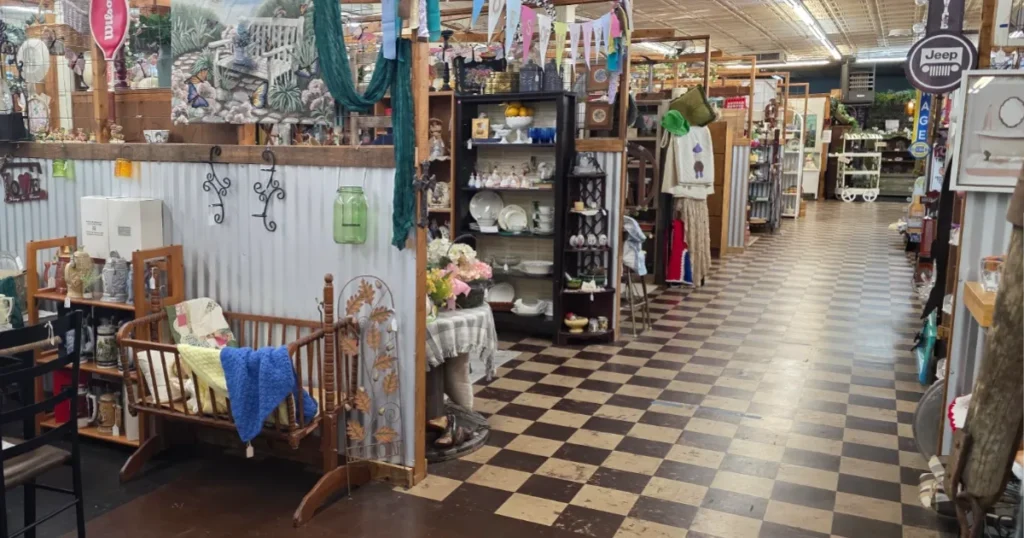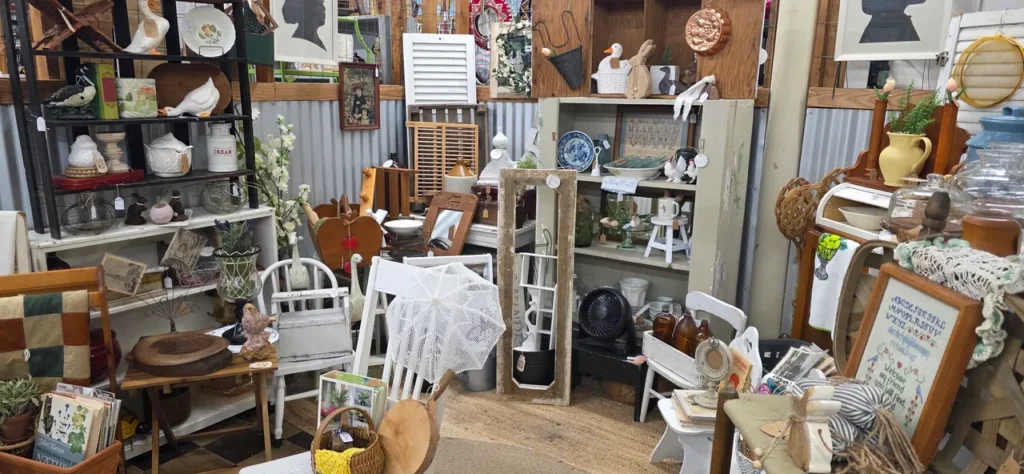
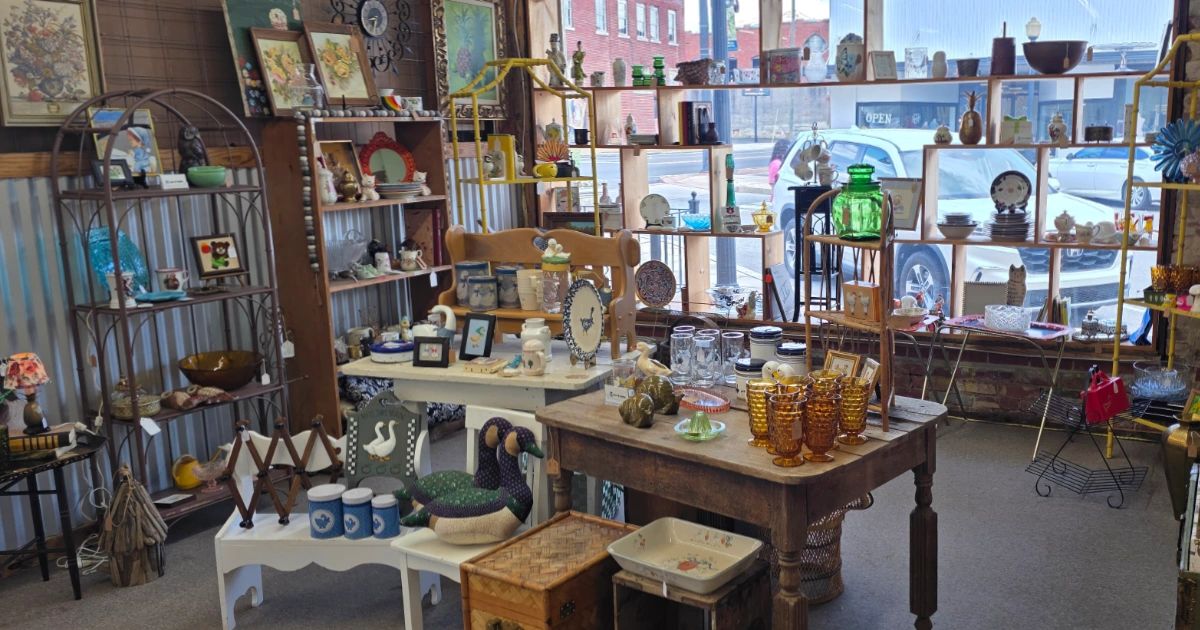
Starting an Antique Mall Booth Business: A Step-by-Step Guide
Opening an antique mall booth is one of the most accessible ways to enter the vintage resale business. Many people begin with a small booth and eventually grow it into a steady side income or even a full-time operation.
But success rarely comes from simply filling a space with items and hoping they sell.
Understanding the process before you begin can help you avoid common mistakes and build a booth that performs well from the start.
This guide walks through the key steps involved in starting an antique mall booth business.
If you are totally lost and want to know more about an antique mall booth even is, this article is for you How Antique Mall Booths Work: A Complete Guide for New Vendors
Before we get started, I would highly recommend reading my first book Vintage Hustle: How to Build a Profitable Booth in Today’s Antique Mall Market.
I go through these topics in more depth.
Step 1: Choose the Right Antique Mall
Not all antique malls operate the same way.
Some locations attract heavy customer traffic, while others may struggle to bring in consistent shoppers. Choosing the right location is one of the most important decisions you will make.
When evaluating an antique mall, consider:
- customer traffic
- booth occupancy rates
- overall store presentation
- marketing and online presence
- the types of vendors already inside
A well-run store with strong traffic can dramatically increase the chances of success.
Step 2: Understand Booth Rent and Commission
Most antique malls charge vendors a monthly booth rent along with a sales commission.
Typical structures look like this:
Example:
Monthly Booth Rent: $200
Commission: 10%
If you sell $1,200 during the month, the commission would be $120, leaving $1,080 before covering rent and inventory cost.
Understanding how these numbers work together is important when planning your booth.
Vendors should always evaluate how much sales volume is required to cover rent and generate profit.
Step 3: Plan Your Inventory Strategy
Inventory is one of the biggest drivers of booth performance.
A common mistake new vendors make is starting with too few items. When inventory is thin, customers have fewer opportunities to make purchases.
A helpful guideline is maintaining inventory with a sell value between four and six times your monthly rent.
For example:
If your booth rent is $200, you should generally maintain inventory with a sell value between:
$800 and $1,200
This allows enough variety and turnover to support consistent sales.
Step 4: Source Items to Sell
Successful vendors develop reliable ways to find inventory.
Common sourcing methods include:
- estate sales
- yard sales
- thrift stores
- auctions
- flea markets
- local buy-and-sell marketplaces
The goal is to purchase items at a price that leaves room for profit after commission and rent.
Many vendors gradually specialize in certain categories such as:
- vintage kitchenware
- primitive décor
- collectibles
- vintage clothing
- small furniture
Over time, developing a recognizable style or niche can help your booth stand out.
Step 5: Design a Booth That Attracts Buyers
Booth layout plays a larger role in sales than many new vendors realize.
A well-designed booth should feel inviting and easy to browse.
Helpful display principles include:
- creating a clear focal point
- varying item heights
- grouping similar items together
- avoiding cluttered shelves
- keeping walkways accessible
Shoppers should be able to quickly understand what your booth offers.
Step 6: Price Items to Move
One of the biggest differences between successful vendors and struggling vendors is pricing strategy.
Items priced too high tend to sit for long periods of time, which slows inventory turnover and reduces cash flow.
Successful vendors often focus on:
- competitive pricing
- steady sales volume
- frequent restocking
Consistent movement of inventory keeps a booth fresh and encourages repeat customers.
Step 7: Restock Regularly
Antique mall customers often return to the same stores looking for new finds.
Booths that remain unchanged for long periods tend to lose momentum.
Regular restocking helps maintain interest and gives customers a reason to revisit your space.
Many vendors refresh their booths:
- weekly
- every other week
- whenever inventory begins to thin out
Even small changes can make a booth feel new again.
Step 8: Track Your Booth Performance
Treating your booth like a small business helps you make better decisions.
Tracking sales allows you to identify patterns such as:
- which items sell fastest
- which price ranges perform best
- how seasonal changes affect sales
Over time, these insights help vendors refine their inventory strategy and improve profitability.
Estimating Booth Profit Potential
Before opening a booth, it can be helpful to estimate how the numbers might work.
Factors that influence profitability include:
- booth rent
- commission percentage
- credit card fees
- cost of goods sold
- inventory turnover
Tools such as our Booth Profit Calculator can help vendors estimate sales targets and break-even points before even committing to a space.
Final Thoughts
Starting an antique mall booth business can be both enjoyable and financially rewarding for those who approach it thoughtfully.
Success usually comes from a combination of:
- strong inventory selection
- effective booth presentation
- realistic pricing
- consistent restocking
Understanding these fundamentals before you begin can make the difference between a booth that struggles and one that grows over time.
Related Guides for Booth Vendors
If you’re learning about antique mall booths, these guides may also help:
How Much Inventory Does an Antique Booth Need
What Sells Best in Antique Mall Booths?
How to Design an Antique Mall Booth That Sells
How to Price Items in an Antique Mall Booth
Free Vendor Resources
We have a number of free booth vendor tools to use if you need help with figuring out your numbers. You will see that each calculator serves a different purpose but for an all in one I recommend the Booth Profit Calculator Pro. These tools were designed with the principles laid out in the Vintage Hustle Book Series.
Vintage Hustle Book Series
If you’re interested in learning more about booth strategy, inventory planning, and vendor growth, the Vintage Hustle series dives deeper into the principles behind building profitable antique mall booths. If you prefer to get through Amazon or ebook click here.