Troubleshooting a Sales Slump in Your Booth
If you’re dealing with an antique booth sales slump, you’re not alone. Most vendors experience periods where sales slow down or stall completely
It happens to everyone—no matter how successful you are, or how long you’ve been doing this. A sudden drop in sales, or worse, a long period of stagnation. It’s frustrating, confusing, and sometimes even discouraging. But it doesn’t always mean something is wrong. It just means it’s time to step back and do a little troubleshooting..
In today’s post, I’m going to walk you through a few areas to evaluate when your booth isn’t performing the way you want it to. A little observation and a few tweaks can often breathe life back into your space.
1. Start with a Visual Check
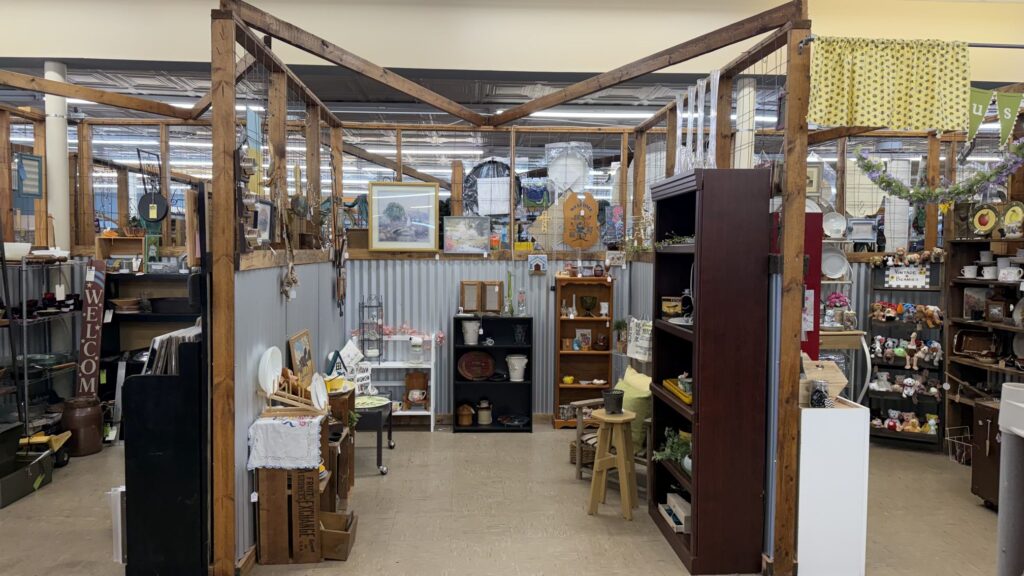
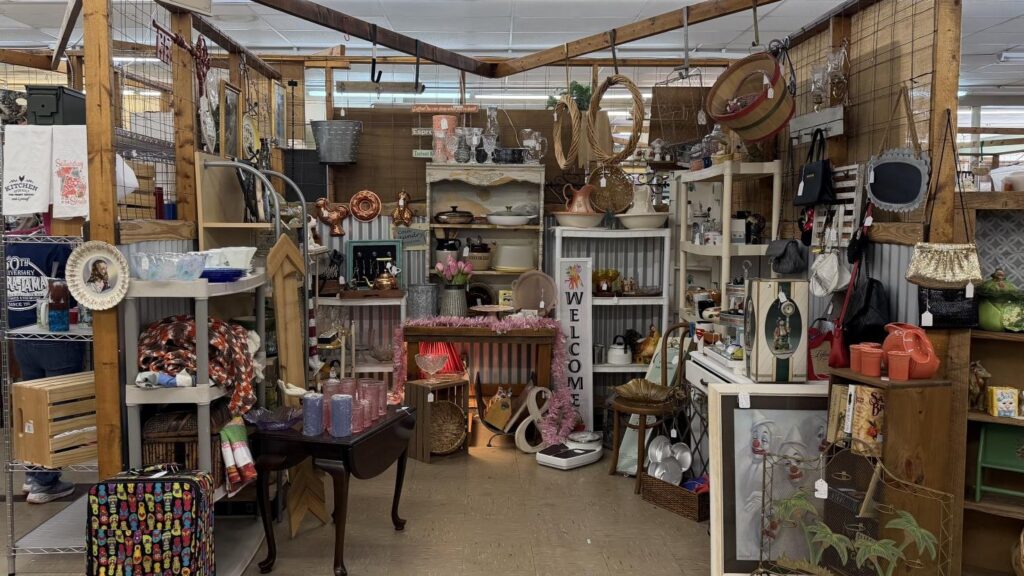
Walk by your booth like a customer. Is it clean? Inviting? Is there a clear focal point? Does it have good flow, or does it feel cramped or chaotic? Sometimes, a booth simply needs a fresh layout or a bit of decluttering to regain its energy.
2. Rotate and Refresh
If the same items have been sitting for weeks (or months), customers notice. They’ll assume it’s the same old stuff and keep walking. Try swapping things around, adding seasonal items, or even pulling in just one or two new pieces to keep things feeling fresh.
3. Review Your Inventory Mix
Take a hard look at what you’re offering. Are you stocking too many slow-moving pieces? Do you have too much of the same thing? Make sure your booth has a good balance—some eye-catching big-ticket items, some impulse buys, and a variety of price points.
4. Revisit Your Pricing
Overpricing can stall sales—but underpricing can hurt your margins and perceived value. Compare your prices with similar vendors in the mall. Are your items worth what you’re asking? Are you pricing in a way that encourages bundles or add-on purchases?
5. Check Your Tags
Customers rely on tags for key info: price, description, and sometimes even a story. Make sure your tags are clean, readable, and professionally presented. Avoid faded or handwritten tags unless it fits your booth’s style. Good tags can make all the difference.
6. Audit Your Branding
Does your booth reflect you? Is there a cohesive look or aesthetic that sets it apart? Branding goes beyond a sign—it’s about how your booth makes people feel. Think about your color choices, display style, and even your booth name or logo if you use one.
7. Watch for Shopper Flow
Pay attention to how people move through your booth. Are they missing a whole section? Try creating a clear path, using small furniture to direct traffic, or placing high-impact items at eye level to draw people deeper into your space.
8. Ask for Feedback
Sometimes, the best insights come from others. Ask a fellow vendor or even a regular customer to give you honest feedback. A fresh perspective can reveal things you’ve stopped noticing.
9. Track Trends and Seasons
Some sales slumps are seasonal. Before panicking, look at your previous months or years. Are you in a typical slow spell, or is something truly off? Use slower periods to prepare for your next seasonal reset or try something new.
10. Consider Your Promotions
Are you running any sales? Offering bundle deals or marking down inventory? Promotions can help you move old inventory and create urgency. Just make sure you’re not discounting too often—or too deep—or you risk training shoppers to wait.
I Leave You with This
Every booth has its ups and downs. The key is not to panic but to stay proactive. Troubleshooting is just part of the process. With a little observation and adjustment, you’ll be back on track in no time.
Related Guides for Booth Vendors
If you’re learning about antique mall booths, these guides may also help:
- How Antique Mall Booths Work: A Complete Guide for New Vendors
- Starting an Antique Mall Booth Business: A Step-by-Step Guide
- What Sells Best in Antique Mall Booths? A Guide for Vendors
- How Much Inventory Does an Antique Booth Need
Free Vendor Resources
We have a number of free booth vendor tools to use if you need help with figuring out your numbers. You will see that each calculator serves a different purpose but for an all in one I recommend the Booth Profit Calculator Pro. These tools were designed with the principles laid out in the Vintage Hustle Book Series.
Vintage Hustle Book Series
If you’re interested in learning more about booth strategy, inventory planning, and vendor growth, the Vintage Hustle series dives deeper into the principles behind building profitable antique mall booths. If you prefer to get through Amazon or ebook click here.