How Often Should You Restock an Antique Mall Booth?
One of the most common questions new vendors ask is how often they should restock their antique mall booth.
Some vendors assume that once their booth is set up, they only need to return when items sell out or when they find new inventory. In reality, successful booths tend to be maintained much more actively. We recommend our vendors to work their booth at least twice per week, to keep their space fresh and inventory restocked.
Booths that are regularly refreshed and maintained tend to attract more customer attention and generate more consistent sales over time.
Booths That Stay Active Sell More
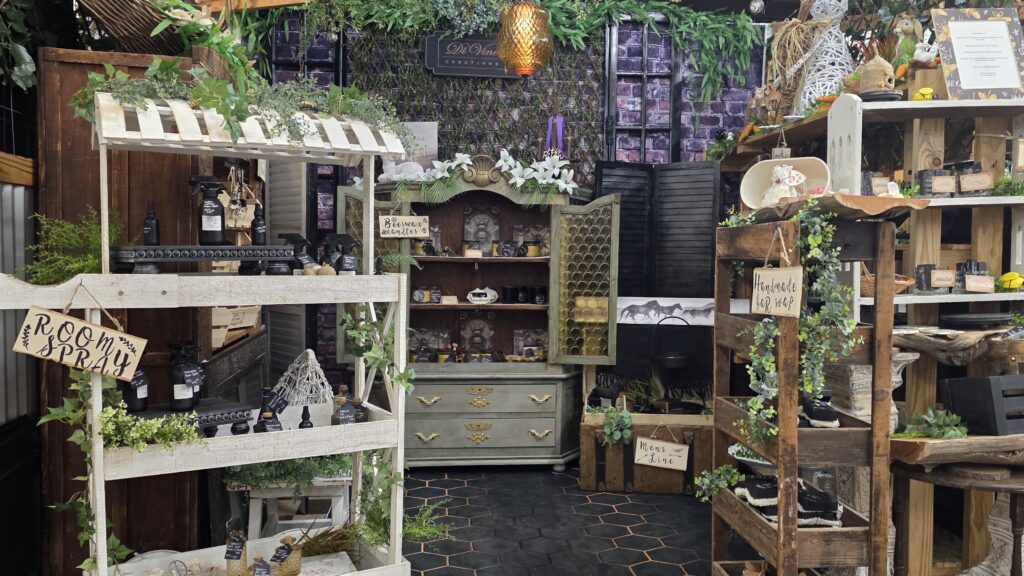
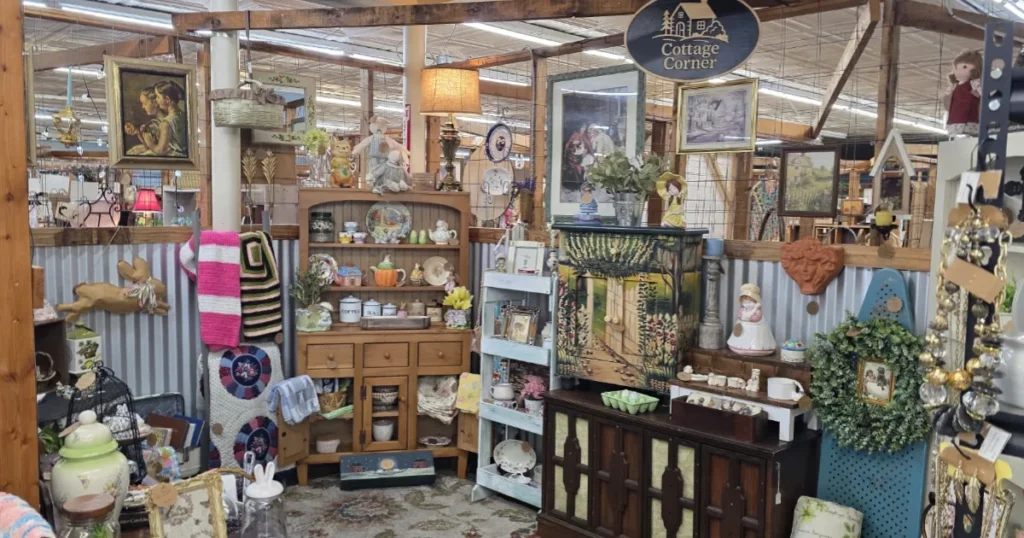
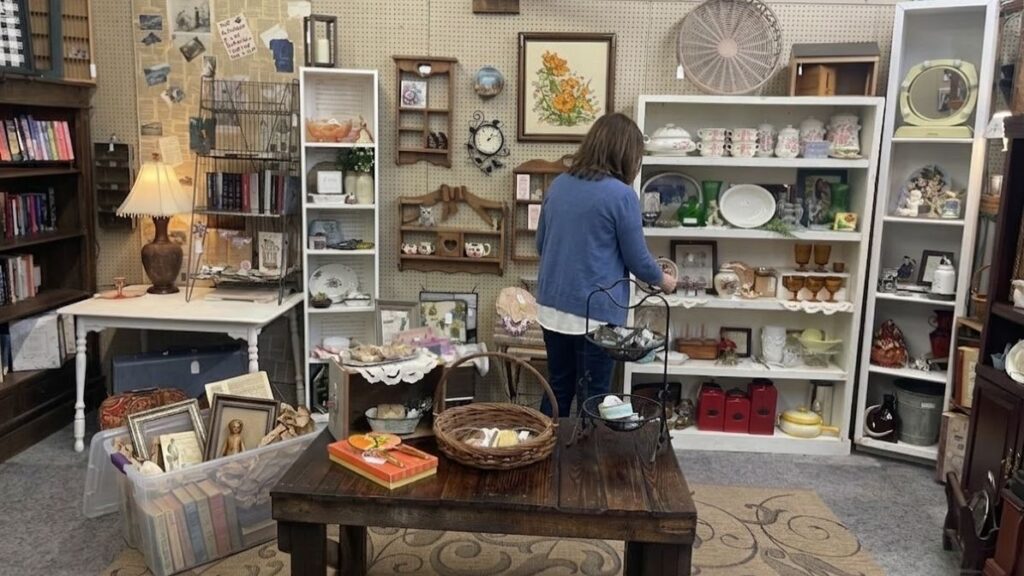
Antique mall shoppers often browse dozens of booths during a visit. When customers walk through the store, they naturally gravitate toward booths that feel active and well maintained.
A booth that looks freshly arranged or recently stocked signals to shoppers that there may be something new to discover.
On the other hand, booths that appear unchanged for long periods can begin to feel stale, even if the items themselves are still interesting.
Many successful vendors develop a routine of checking their booth regularly to keep it looking fresh and organized.
Empty Shelves Mean Missed Opportunities
One of the most common problems in struggling booths is simply a lack of inventory.
When shelves or displays begin to empty out, customers have fewer items to browse and fewer chances to find something they want to purchase.
This is why we often remind vendors of a simple principle:
Empty shelves mean empty customer hands.
Every open space in a booth is a missed opportunity for a sale.
Keeping displays full and visually interesting helps encourage customers to spend more time exploring the booth.
If you want a deeper look at how inventory levels affect booth performance, see How Much Inventory Does an Antique Booth Need.
A Good Rule of Thumb for Vendors
While every vendor’s schedule is different, many successful vendors try to work their booth at least twice per week.
This does not always mean adding new inventory every visit. Often it simply means checking the booth and making small adjustments such as:
- straightening displays
- filling empty spaces
- rotating items
- adjusting prices on older inventory
- cleaning and dusting
These small changes help keep the booth looking active and inviting.
Over time, this level of attention can make a noticeable difference in how customers interact with the space.
Restocking When Items Sell
In addition to routine maintenance visits, vendors should try to restock items as often as possible when inventory begins to sell.
Fast-selling booths sometimes require frequent restocking simply because items move quickly.
Maintaining enough inventory to replace sold items helps prevent the booth from gradually becoming sparse.
Strong inventory depth is one of the most common characteristics of successful booths. When customers see a booth filled with interesting items, they are more likely to stop and browse.
Why Fresh Inventory Attracts Customers
Regular customers often visit antique malls multiple times throughout the year.
When shoppers begin to recognize booths that change regularly, they are more likely to return to those booths during future visits.
Fresh inventory creates a sense of discovery. Customers enjoy the feeling that there might be something new waiting in a booth they have browsed before.
Even small changes can make a booth feel refreshed:
- moving items to different displays
- rearranging shelves
- bringing in seasonal items
- replacing sold merchandise
These changes encourage customers to take another look.
Understanding Booth Performance
Restocking frequency also plays a role in overall booth performance.
Booths that are actively maintained often generate stronger sales because customers have more items to browse and more opportunities to make purchases.
However, vendors should also consider the financial side of booth selling when evaluating how their booth is performing.
Factors such as:
- booth rent
- commission percentages
- credit card processing fees
- cost of goods
all influence the profitability of a booth.
Tools such as the Booth Profit Calculator can help vendors estimate break-even sales levels and understand how inventory and pricing strategies affect profitability.
Final Thoughts
Successful antique mall booths rarely remain unchanged for long periods of time.
Instead, they are actively maintained and refreshed by vendors who regularly check their space, rotate inventory, and replace sold items.
Working your booth several times each week and restocking whenever possible helps keep the space visually engaging and increases the chances that customers will find something they want to buy.
Over time, consistent attention to your booth can help build a space that customers enjoy returning to again and again.
Related Guides for Booth Vendors
If you’re learning about antique mall booths, these guides may also help:
Starting an Antique Mall Booth Business
How Much Inventory Does an Antique Booth Need
Why Your Antique Booth Isn’t Selling
Free Vendor Resources
We have a number of free booth vendor tools to use if you need help with figuring out your numbers. You will see that each calculator serves a different purpose but for an all in one I recommend the Booth Profit Calculator Pro. These tools were designed with the principles laid out in the Vintage Hustle Book Series.
Vintage Hustle Book Series
If you’re interested in learning more about booth strategy, inventory planning, and vendor growth, the Vintage Hustle series dives deeper into the principles behind building profitable antique mall booths. If you prefer to get through Amazon or ebook click here.