Why Antique Mall Booths Fail and How to Fix Them
Opening an antique mall booth can be an exciting venture. Many vendors start with enthusiasm, filling their booth with interesting items and hoping customers will respond.
But over time, some vendors begin to notice something frustrating.
Sales slow down.
Items sit longer than expected.
The booth begins to feel stagnant.
The truth is that most booths do not fail because the vendor lacks passion or effort. Booths usually struggle because of a few common issues that affect inventory, pricing, and presentation.
Understanding these challenges can help vendors identify problems early and make adjustments that improve booth performance.
Understanding why antique mall booths fail is one of the most important lessons for new vendors.
“Why is my booth failing?”
Problem 1: Not Enough Inventory
One of the most common reasons booths struggle is simply not having enough inventory.
When a booth contains only a small number of items, customers have fewer opportunities to find something they want to buy. Even if the items are good, the booth may appear sparse or picked over.
Shoppers often make purchasing decisions quickly. If they do not see something interesting within a few seconds of entering a booth, they will usually move on.
Successful booths maintain strong inventory depth so customers always have something new to discover.
Many vendors find that maintaining inventory with a sell value several times higher than their monthly booth rent helps support consistent sales.
Problem 2: Pricing That Is Too High
Pricing is another common obstacle.
New vendors sometimes price items based on how much they personally value them rather than how customers behave in a retail environment.
Items that are priced too high often sit for months without selling. When this happens repeatedly, the booth begins to lose momentum.
Successful vendors usually focus on:
- realistic market pricing
- steady inventory turnover, in other words things need to be moving
- consistent sales rather than maximum margins
Movement inside a booth is often more important than squeezing extra dollars out of a single item.
Think of your specific area and how much you, yourself, are willing to spend on an item like you are trying to sell. When you are buying think like a vendor but when your selling think like a customer.
I can’t stress this enough; just because it’s on Etsy or eBay for $60 dollars doesn’t mean a customer in your area is willing to pay that. So be mindful of your local market’s expectations.
Problem 3: Booth Presentation Problems
Even good inventory can struggle if it is not presented well.
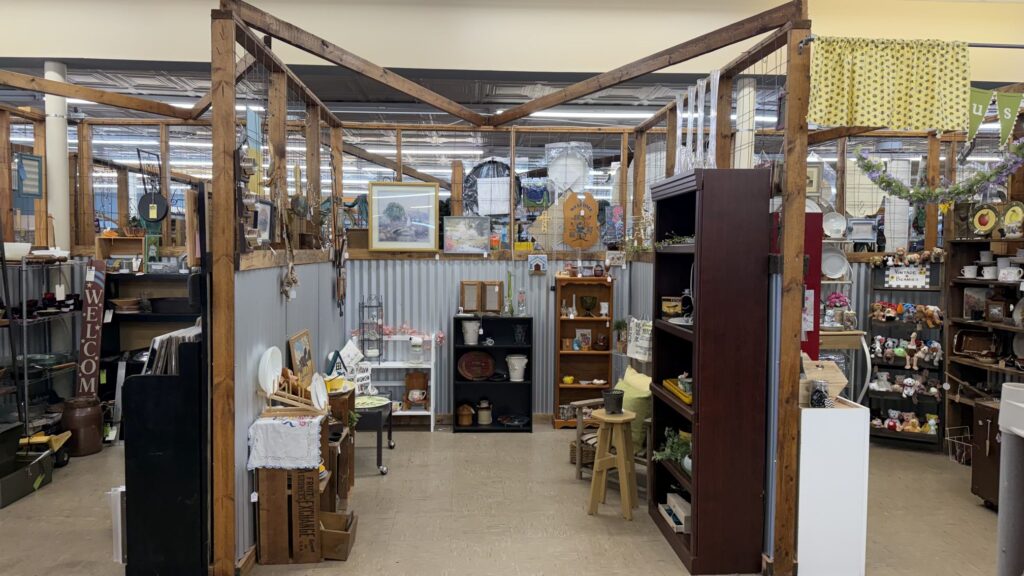
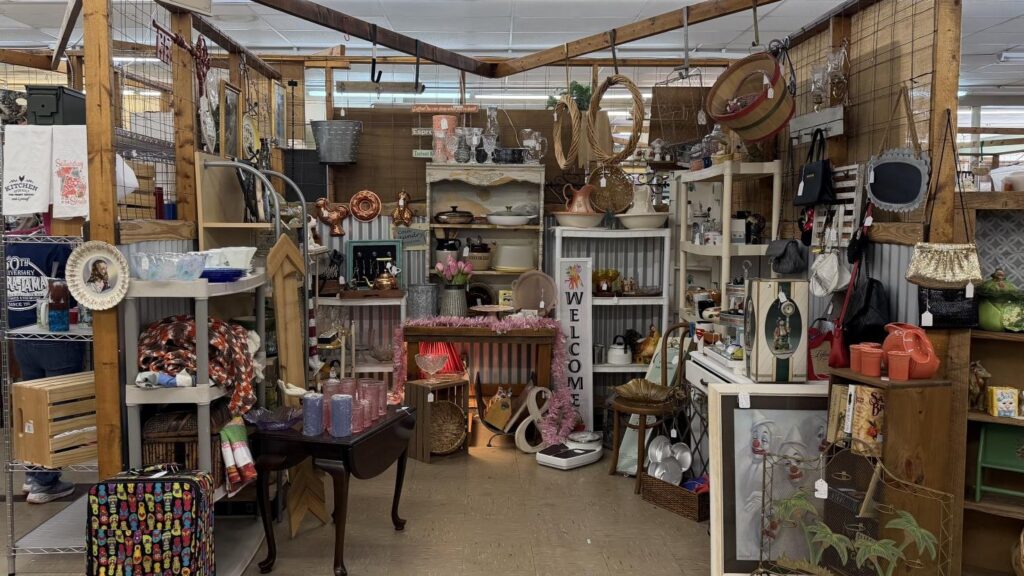
Customers respond strongly to visual presentation. A booth that feels cluttered or difficult to browse can discourage shoppers from exploring further.
Common presentation issues include:
- overcrowded shelves
- poor lighting
- items stacked on top of each other
- no clear focal point
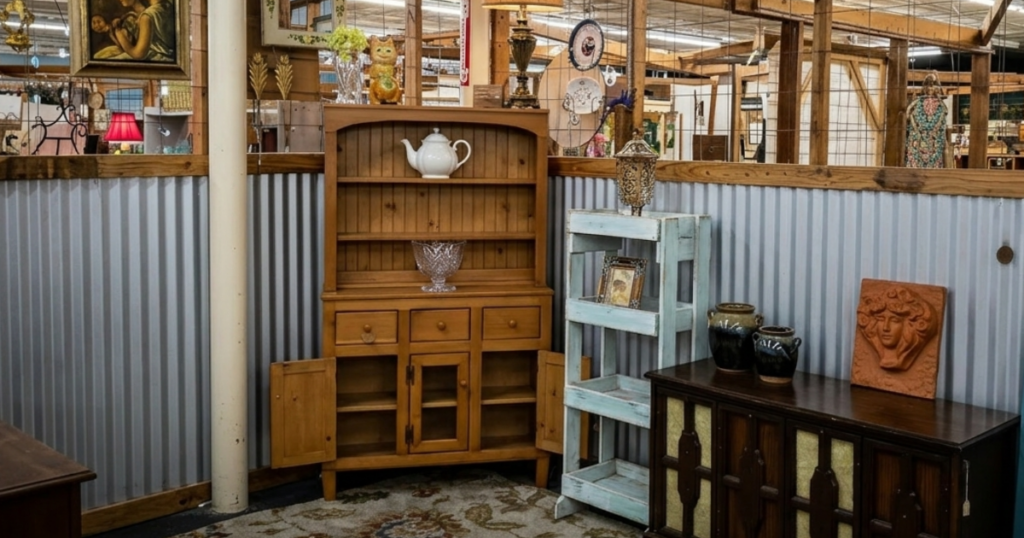
Well-performing booths usually create an inviting environment where customers can easily see and interact with the merchandise.
Small improvements in layout can sometimes make a noticeable difference in sales.
Problem 4: Lack of Regular Restocking
Antique mall customers enjoy discovering new items.
If a booth remains unchanged for long periods of time, shoppers may assume there is nothing new to see and stop checking that booth altogether.
Even small restocking visits can help keep a booth feeling active.
Many successful vendors visit their booth regularly to:
- add new inventory
- reorganize displays
- remove slow-moving items
- refresh the overall presentation
This keeps the booth feeling dynamic rather than stagnant. Sometimes restocking is something we struggle with personally because we don’t get as many opportunities to source items as we used to, which is a great problem because it means we are busier than ever.
Problem 5: Not Understanding the Numbers
Another reason booths struggle is that some vendors never evaluate the financial side of the business.
Running a booth involves several important factors:
- booth rent
- commission percentage
- cost of goods sold
- credit card fees
- inventory investment
Without understanding these numbers, it can be difficult to determine whether a booth is actually profitable. You should always understand what your numbers are telling you. If you need help analyzing your numbers don’t hesitate to send me an email at admin@rustiquerelics.com. I try to help clarify your numbers by adding a number of resources to our site.
Tools such as the Booth Profit Calculator can help vendors estimate break-even sales levels, inventory requirements, and potential profitability based on their specific booth costs.
Looking at the numbers clearly can often reveal adjustments that improve booth performance.
Turning a Struggling Booth Around
The good news is that most struggling booths can improve with a few targeted changes.
Vendors who see better results often focus on:
- increasing inventory depth
- adjusting pricing strategies
- improving booth presentation
- restocking more consistently
- paying closer attention to sales patterns
Small improvements in several areas can gradually create stronger momentum inside a booth. Sometimes, a big change can cause dynamic and structured growth like one of our vendors experienced after reading my first book and applying the principles I outlined.
Final Thoughts
Antique mall booths rarely succeed by accident.
The vendors who perform well over time usually treat their booth like a small retail business, paying attention to inventory levels, pricing, presentation, and restocking.
When a booth begins to struggle, it is often an opportunity to step back, evaluate what might be holding it back, and make adjustments that move it in a better direction.
With the right approach, many booths that start slowly can evolve into spaces that consistently attract customers and generate steady sales.
Free Vendor Resources
We have a number of free booth vendor tools to use if you need help with figuring out your numbers. You will see that each calculator serves a different purpose but for an all in one I recommend the Booth Profit Calculator Pro. These tools were designed with the principles laid out in the Vintage Hustle Book Series.
Vintage Hustle Book Series
If you’re interested in learning more about booth strategy, inventory planning, and vendor growth, the Vintage Hustle series dives deeper into the principles behind building profitable antique mall booths. If you prefer to get through Amazon or ebook click here.