
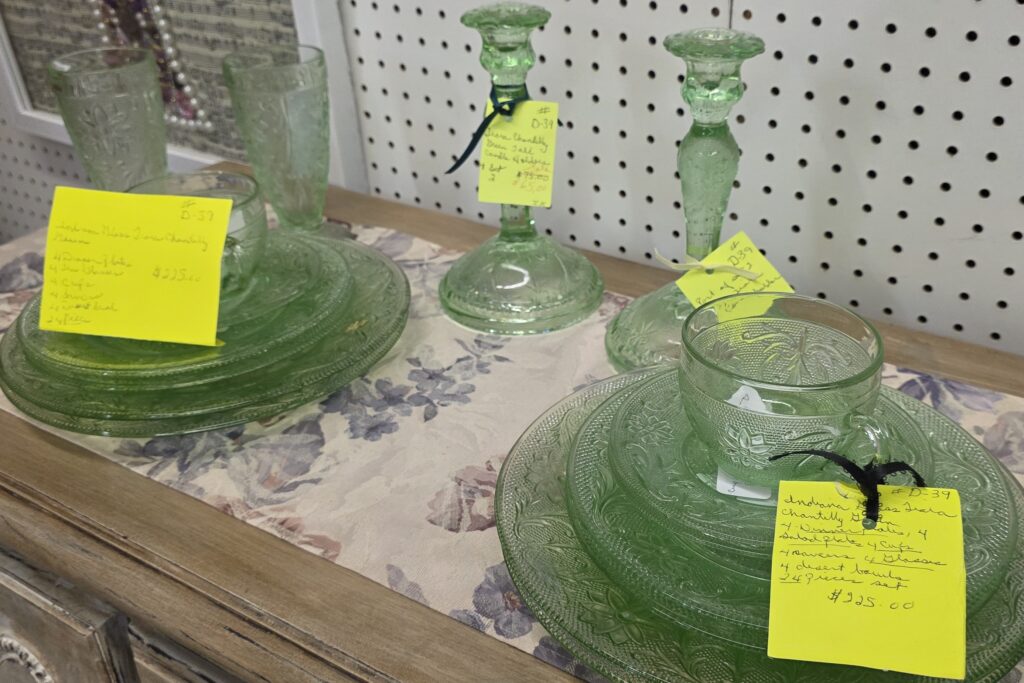
How to Price Items in an Antique Mall Booth That Actually Sell
Pricing is one of the most important decisions antique mall vendors make. The right price can help inventory move quickly and keep a booth feeling fresh, while prices that are too high can cause items to sit for months without selling.
Many new vendors struggle with pricing because they focus too heavily on what they personally paid for an item or how much they believe it is worth.
Successful vendors usually approach pricing differently. They think about how customers behave inside an antique mall environment and price items in a way that encourages steady sales and inventory turnover.
Understanding a few basic pricing principles can help vendors build booths that generate consistent sales.
Understand Your Total Costs
Before pricing items, it is important to understand the costs involved in running a booth.
These often include:
- monthly booth rent
- sales commission
- credit card processing fees
- cost of goods sold
For example, if a booth rents for $200 per month and the store charges a 10% commission, those expenses must be considered when determining how much profit an item will generate.
Looking at the full financial picture helps vendors price items in a way that supports profitability over time.
Tools such as the Booth Profit Calculator can help vendors estimate break-even sales and understand how booth costs affect their pricing strategy.
Price Items to Sell, Not to Store
One of the biggest mistakes new vendors make is pricing items too high.
While it may feel safer to aim for the highest possible price, items that sit for long periods often prevent booths from generating steady sales.
Successful vendors frequently focus on:
- realistic market pricing
- consistent inventory turnover
- maintaining cash flow to reinvest in new inventory
A booth where items move regularly tends to perform better than a booth filled with inventory that rarely sells.
Research Market Prices
Before setting a price, it helps to understand what similar items are currently selling for.
Vendors often check prices by looking at:
- other booths in the store
- online marketplaces
- antique shows and flea markets
The goal is not necessarily to match the highest price but to remain competitive within the marketplace.
Shoppers often browse many booths before making a decision, so items priced reasonably are more likely to attract attention.
Consider Your Customer Base
Every antique mall has its own customer base.
Some locations attract collectors who are willing to pay premium prices for rare items. Other stores may draw shoppers looking for affordable vintage décor.
Observing what customers respond to inside a particular store can help vendors adjust their pricing strategy.
Over time, vendors often learn which price ranges perform best in their booth.
Use Price Variety
Booths that contain a variety of price points often perform better than those focused on a narrow range.
For example, a booth might include:
- small décor items under $15
- mid-range items between $20 and $50
- occasional higher-priced pieces
Lower-priced items often encourage impulse purchases, while larger items can serve as focal points within the booth.
This balance helps create a more dynamic shopping experience.
Adjust Prices When Necessary
Even experienced vendors occasionally misjudge an item’s price.
If an item sits for an extended period without generating interest, it may be worth reconsidering the price.
Adjustments can include:
- lowering the price
- moving the item to a different location within the booth
- grouping it with complementary items
Pricing should remain flexible rather than fixed.
Pay Attention to Sales Patterns
Tracking which items sell quickly can provide valuable insight into pricing strategy.
Vendors who pay attention to sales patterns may notice trends such as:
- certain categories selling faster
- specific price ranges performing better
- seasonal demand for particular items
These observations can help refine pricing decisions over time.
Final Thoughts
Pricing items in an antique mall booth is both a skill and a learning process.
Know your margin.
Vendors who succeed over time usually focus on balancing fair pricing with steady inventory turnover.
By understanding their costs, researching the market, and adjusting prices when necessary, vendors can create booths that maintain consistent movement and attract returning customers.
Pricing decisions may evolve as vendors gain experience, but a thoughtful pricing strategy is one of the most important foundations of a successful booth.
Related Guides for Booth Vendors
If you’re learning about antique mall booths, these guides may also help:
- How Antique Mall Booths Work
- Starting an Antique Mall Booth Business
- What Sells Best in Antique Mall Booths
- Why Antique Mall Booths Fail
- Booth Profit Calculator
Free Vendor Resources
We have a number of free booth vendor tools to use if you need help with figuring out your numbers. You will see that each calculator serves a different purpose but for an all in one I recommend the Booth Profit Calculator Pro. These tools were designed with the principles laid out in the Vintage Hustle Book Series.
Vintage Hustle Book Series
If you’re interested in learning more about booth strategy, inventory planning, and vendor growth, the Vintage Hustle series dives deeper into the principles behind building profitable antique mall booths. If you prefer to get through Amazon or ebook click here.