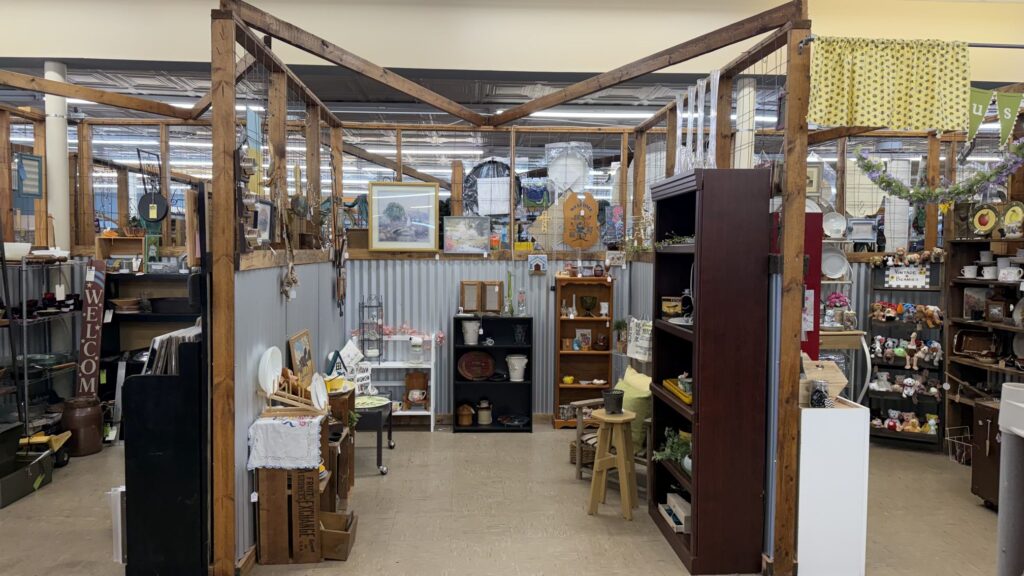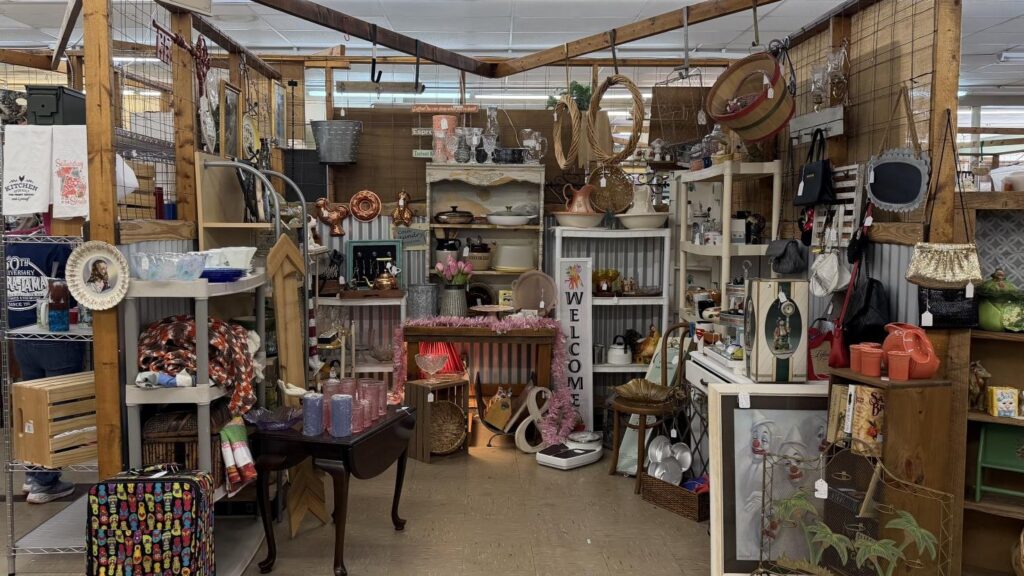
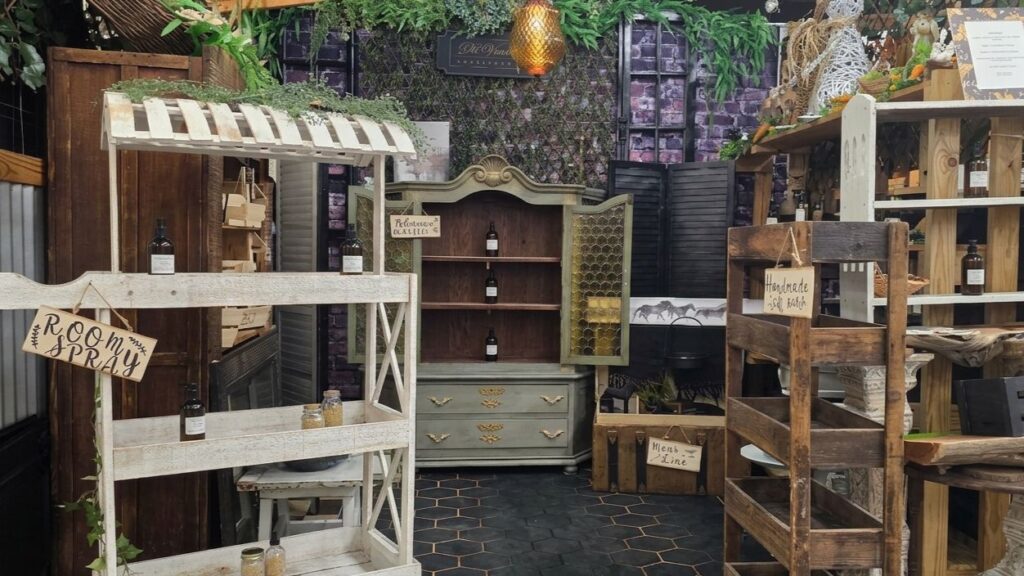
Here are some signs that your antique mall booth might be failing
Running an antique mall booth can be profitable, but not every booth succeeds. Many vendors assume that simply stocking items and waiting for customers will lead to consistent sales. In reality, booth success requires regular attention, the right inventory mix, and thoughtful presentation.
If your booth is underperforming, there are usually warning signs long before it completely fails. Recognizing these signs early allows vendors to make adjustments and turn things around before the problem becomes serious.
Below are some of the most common indicators that your booth may be struggling — and what you can do to fix it.
Sales Are Consistently Low
One of the most obvious signs that a booth is struggling is consistently low sales. Every booth has slower periods, but if your sales remain weak month after month, it may be time to look deeper at what’s happening.
Low sales can result from several factors, including poor inventory selection, incorrect pricing, or a booth that doesn’t attract attention.
Before assuming the mall itself is the problem, take a step back and evaluate your booth objectively. Ask yourself whether your products truly stand out compared to nearby vendors.
Your Inventory Rarely Changes
Customers who shop antique malls often visit repeatedly. Regular shoppers quickly notice when booths remain unchanged.
If your booth looks the same every time someone walks by, customers may stop browsing altogether.
Successful vendors rotate inventory frequently. Even small changes — such as moving items, adding new pieces, or rearranging displays — can make the booth feel fresh and worth revisiting.
Your Booth Looks Picked Over
A booth that appears empty or disorganized sends the wrong message to shoppers. When customers see large gaps on shelves or tables with only a few items remaining, they may assume the booth has already been picked through.
Keeping your booth well-stocked helps create the impression that there is always something interesting to discover.
Many successful vendors maintain an inventory level that is four to six times the value of their booth rent, ensuring there is enough merchandise to keep the space full and engaging.
Customers Browse but Rarely Buy
Another warning sign is when customers regularly stop to look at your booth but rarely purchase anything.
This situation often points to issues such as:
- Pricing that is too high
- Inventory that doesn’t match customer interests
- Displays that make items difficult to see or access
Watch how people interact with your booth when possible. If customers pick items up but quickly put them back, pricing may be the issue. If they glance and move on, the display itself may need improvement.
Your Booth Blends Into the Background
In a busy antique mall, booths compete for attention. If your booth does not have a clear visual identity or focal point, shoppers may walk right past it without noticing.
Strong booths often include:
- clear themes
- interesting displays
- noticeable focal pieces
- good lighting and organization
Even small changes, such as adjusting shelf layouts or grouping items more effectively, can make a big difference.
You’re Not Tracking Your Booth Performance
Many vendors operate their booths without closely monitoring their numbers. Without tracking sales and inventory turnover, it becomes difficult to identify problems early.
Pay attention to:
- monthly sales totals
- which items sell fastest
- how long inventory remains in the booth
Understanding these patterns allows you to refine your inventory strategy and focus on items that consistently sell.
How to Turn a Struggling Booth Around
The good news is that most struggling booths can improve with a few adjustments.
Start by evaluating the three key areas that influence booth performance:
Inventory
Make sure you have enough merchandise and that it matches what customers are actually buying.
Pricing
Review comparable items throughout the store to ensure your prices remain competitive.
Display and layout
Create an inviting booth that encourages customers to stop and explore.
Small improvements in these areas often lead to noticeable increases in sales.
Related Guides for Booth Vendors
If you’re learning about antique mall booths, these guides may also help:
- How Antique Mall Booths Work: A Complete Guide for New Vendors
- Starting an Antique Mall Booth Business: A Step-by-Step Guide
- How to Design an Antique Mall Booth That Sells
- Where Do Antique Booth Vendors Find Inventory?
- What Sells Best in Antique Mall Booths? A Guide for Vendors
- How Much Inventory Does an Antique Mall Booth Really Need?
- How to Price Items in an Antique Mall Booth
Free Vendor Resources
We have a number of free booth vendor tools to use if you need help with figuring out your numbers. You will see that each calculator serves a different purpose but for an all in one I recommend the Booth Profit Calculator Pro. These tools were designed with the principles laid out in the Vintage Hustle Book Series.
Vintage Hustle Book Series
If you’re interested in learning more about booth strategy, inventory planning, and vendor growth, the Vintage Hustle series dives deeper into the principles behind building profitable antique mall booths. If you prefer to get through Amazon or ebook click here.