Why Your Antique Booth Isn’t Selling
Many antique mall vendors eventually encounter a period where their booth slows down or stops producing the sales they expected.
This can be frustrating, especially when vendors feel like they have good items or have invested time and money into building their booth.
From the store owner’s side of the counter, we see this happen regularly. Vendors often assume something mysterious is happening or that customers simply are not interested anymore.
In most cases, however, booths struggle for a few very identifiable reasons.
Understanding these patterns can help vendors make adjustments that improve both customer engagement and sales.
Not Enough Inventory
One of the most common reasons booths struggle is simply a lack of inventory.
I see this within our store quite often. A vendor becomes unhappy with their performance and asks what might be wrong. Missy will usually tell them the same thing:
You need more inventory.
If they follow that advice, nine times out of ten their sales improve and they are much happier with their booth performance.
When they don’t follow the advice, they often continue wondering what’s not working.
Hint: add more inventory
Customers want to have options when they step into a booth. Your shelves may look neat and organized, but the question is whether you actually have enough inventory to meet what shoppers are looking for.
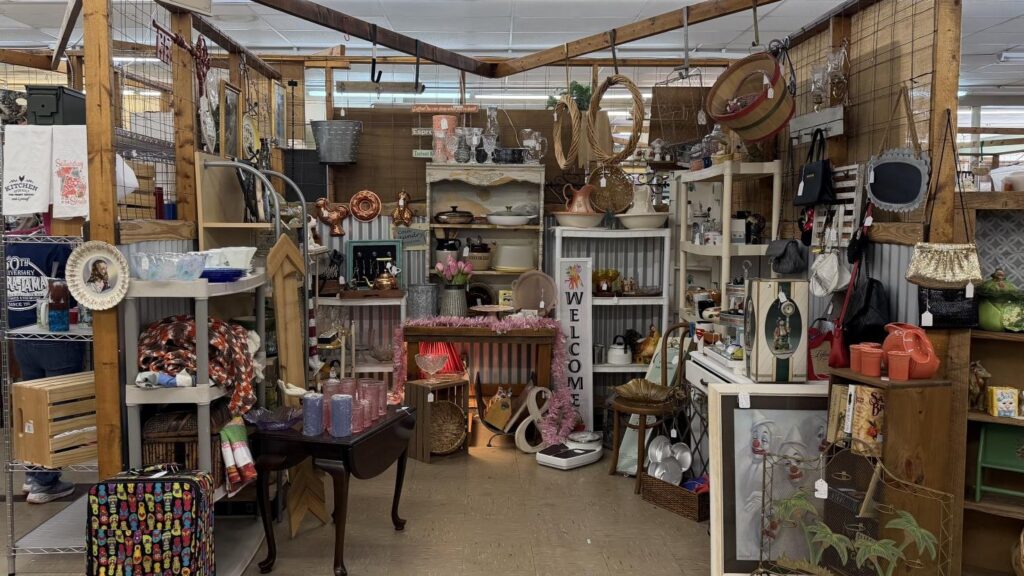
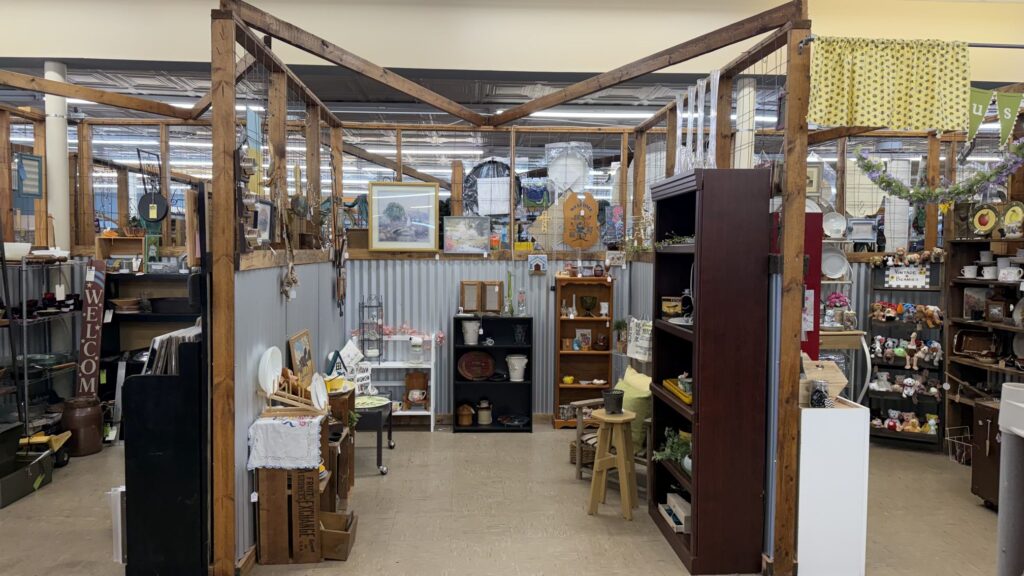
A booth that looks sparse or half empty often fails to capture attention. When customers feel like they can see everything in a booth within a few seconds, they tend to move on quickly.
Successful booths typically maintain enough inventory to create visual depth and encourage exploration. Customers are much more likely to browse when a booth feels full and layered with items at different heights and areas of interest.
If you need help determining how much inventory you should carry, we created the Booth Value Inventory Calculator.
This tool helps vendors estimate how much inventory they should maintain based on the rent they pay.
In general, I recommend maintaining inventory with a sales value of about four to six times your monthly booth rent. These are general recommendations, of course, and every vendor’s situation is different. However, booths that stay within that range tend to perform much better.
If you want a deeper breakdown of booth inventory planning, see How Much Inventory Does an Antique Mall Booth Really Need?
Pricing That Doesn’t Match the Market
Pricing is another major factor when items sit unsold for long periods of time.
Many vendors price items based on what they hope to receive rather than what buyers are realistically willing to pay.
Antique mall customers frequently compare prices across multiple booths while browsing. If similar items appear elsewhere at lower prices, shoppers are naturally more likely to purchase from those booths instead.
Pricing items so they move regularly helps maintain steady turnover and keeps fresh inventory flowing through the booth.
And if I’ve said it once, I’ve said it a thousand times:
You have to price for your market area.
What sells at one antique mall may not sell at the same price in another town.
Successful vendors pay attention to several important factors:
- what similar items are selling for in the store
- what customers in their local market are willing to pay
- how quickly items move at different price points
- whether inventory is turning over regularly
For a deeper look at booth pricing strategies, see How to Price Items in an Antique Mall Booth.
Weak Booth Presentation
Booth design plays a major role in whether customers stop to browse.
When shoppers walk through an antique mall, they are constantly scanning for booths that visually stand out. If a booth blends into the background or appears cluttered, customers may simply walk past without stopping.
Strong booths often use a few simple display principles:
- vertical display space
- layered arrangements
- clear focal points that attract attention
- varied heights and textures
- balanced spacing between items
These techniques guide the eye and make the booth feel more engaging.
A well-designed booth naturally pulls customers in and encourages them to explore. Even small improvements in booth layout can dramatically increase the amount of time shoppers spend browsing your space.
For a deeper look at booth layout and design strategies, see How to Design an Antique Mall Booth That Sells.
Inventory That Doesn’t Match What Customers Want
Sometimes the issue isn’t the booth itself but the type of merchandise being stocked.
Every antique mall develops its own customer base over time, and certain product categories tend to perform better than others depending on local demand.
In many antique malls, categories that frequently perform well include:
- vintage kitchenware
- small home décor items
- seasonal decorations
- vintage glassware
- collectibles
- vintage advertising items
This list is not all-inclusive. Sometimes the unusual or quirky item you bring in sells instantly simply because it catches someone’s attention.
Understanding which types of items shoppers actively look for can help vendors build a booth that attracts more interest.
For a deeper look at high-performing categories, see What Sells Best in Antique Mall Booths.
Inventory That Doesn’t Change
Even well-stocked booths can slow down if the same items remain in place for long periods.
Customers who visit antique malls regularly tend to notice when booths change. Fresh inventory encourages shoppers to slow down and look more closely.
Successful vendors often maintain a rhythm of booth maintenance that includes:
- adding new inventory regularly
- rotating displays
- adjusting prices on older items
- reorganizing booth layouts
- removing stale inventory
These small changes help booths feel active and interesting.
You have to work it, work it.
Sometimes you have to move it, move it.
And sometimes you simply need to remove stale inventory altogether.
At Rustique Relics we do not experience this problem as often as we once did because many of our vendors now come into the store several times per week to refresh their booths. However, it still happens occasionally when vendors cannot make it in for a few weeks.
When booths sit untouched for too long, sales usually slow down.
Understanding Booth Performance
Another important factor many vendors overlook is the financial side of booth selling.
A booth might appear to be selling well, but if vendors are not tracking their numbers, they may not fully understand their profitability.
Important factors that affect booth profitability include:
- booth rent
- commission percentages
- credit card processing fees
- cost of goods
- inventory investment
Tracking these numbers helps vendors understand the sales levels needed to support their booth.
Tools like the Booth Profit Calculator can help vendors estimate break-even sales levels and evaluate how pricing or inventory adjustments might affect their results.
When vendors understand their numbers, they can make smarter decisions about inventory purchasing, pricing strategies, and whether it makes sense to expand their booth.
Final Thoughts
When an antique booth isn’t selling, it can be tempting to assume the problem lies outside the vendor’s control.
In reality, most struggling booths improve once vendors adjust a few key areas such as inventory depth, pricing strategy, presentation, and product mix.
Booths that consistently perform well tend to follow simple systems. They maintain strong inventory levels, price items so they move, keep displays visually engaging, and refresh their booth regularly.
Over time, experimenting with different inventory categories and presentation styles will help vendors discover what resonates most with customers in their particular store.
The vendors who treat their booth like a small retail business rather than simply a place to park items are almost always the ones who see the best long-term results.
Related Guides for Booth Vendors
If you’re learning about antique mall booths, these guides may also help:
- How Much Inventory Does an Antique Mall Booth Really Need
- How to Price Items in an Antique Mall Booth
- How to Design an Antique Mall Booth That Sells
- What Sells Best in Antique Mall Booths
- Booth Profit Calculator
Free Vendor Resources
We have a number of free booth vendor tools to use if you need help with figuring out your numbers. You will see that each calculator serves a different purpose but for an all in one I recommend the Booth Profit Calculator Pro. These tools were designed with the principles laid out in the Vintage Hustle Book Series.
Vintage Hustle Book Series
If you’re interested in learning more about booth strategy, inventory planning, and vendor growth, the Vintage Hustle series dives deeper into the principles behind building profitable antique mall booths. If you prefer to get through Amazon or ebook click here.