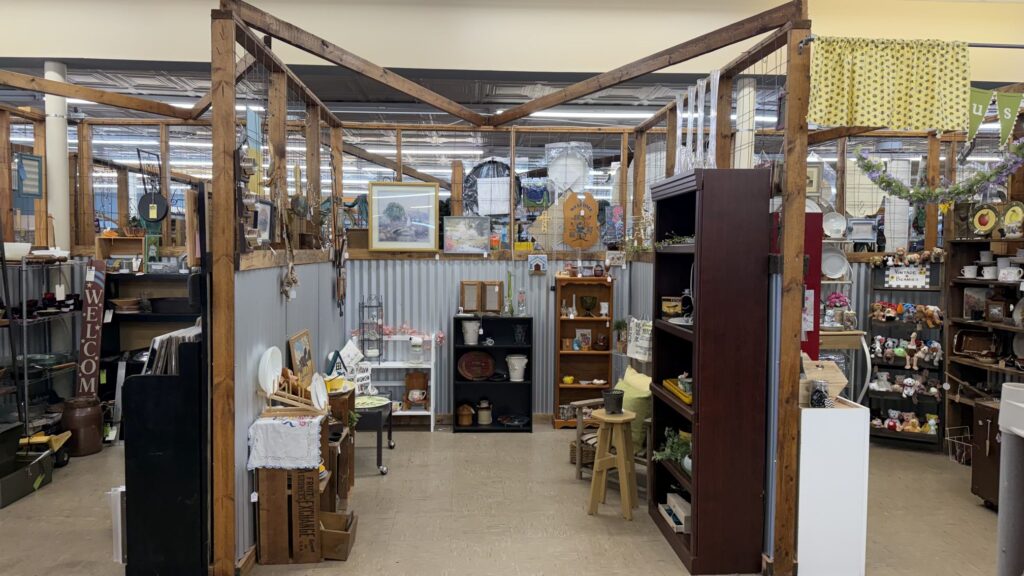
Common Mistakes Antique Mall Booth Vendors Make
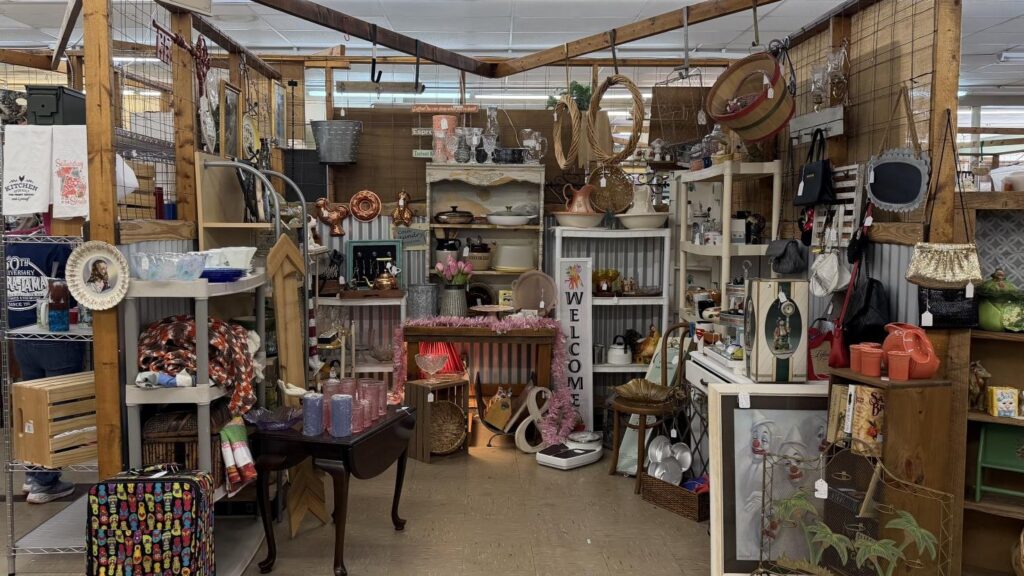
Common Antique Booth Mistakes
- Treating the booth like storage instead of retail
- Weak inventory depth
- Emotional pricing
- Poor booth presentation
- Infrequent booth visits
- Trying to sell everything
Lessons Learned From Working With Booth Vendors Over Time
Antique mall booths are appealing to many people because they offer the opportunity to turn a passion for vintage items, antiques, or collectibles into a small business. Vendors enjoy the flexibility of sourcing items they find interesting while building a space that reflects their personal style.
But running a successful antique mall booth is not as simple as filling a space with items and waiting for customers to buy them.
Over time, certain patterns become clear in antique malls. Some booths consistently perform well and generate steady sales. Others struggle to gain traction, even when the vendor has invested significant time and effort.
In many cases, the difference comes down to habits, strategy, and understanding how the booth environment works.
After working with many vendors and observing booths over long periods of time, several common mistakes appear again and again. These mistakes are rarely intentional, but they can significantly limit a booth’s potential.
Understanding these patterns can help vendors avoid common pitfalls and build booths that are more engaging, more profitable, and more sustainable over the long term.
Mistake 1: Treating the Booth Like Storage Instead of Retail
One of the most common mistakes vendors make is treating their booth as a place to store items rather than a place to sell them.
Many vendors accumulate items they enjoy collecting and place them in their booth with the hope that someone will eventually want them. While this approach may occasionally produce a sale, it often leads to booths that feel stagnant or overly personal.
Retail spaces function differently than collections.
A successful booth should be curated with the customer in mind. Every item placed in the booth should serve a purpose, whether that purpose is attracting attention, encouraging browsing, or generating a sale.
When booths become collections rather than retail spaces, customers often struggle to understand what the booth is offering. Items may feel random, pricing may be inconsistent, and displays may lack direction.
Instead, vendors should think about their booth as a small retail environment. Items should be chosen and displayed in ways that make sense to customers and encourage purchasing behavior.
The most successful booths tend to maintain a balance between personality and retail strategy. Vendors still express their style, but they do so in ways that make the booth inviting and easy for customers to explore.
Mistake 2: Underestimating the Importance of Inventory Depth
Inventory depth is one of the strongest predictors of booth performance.
Booths that contain only a small number of items rarely generate strong sales because customers simply do not have enough to browse. When shoppers can see everything in a booth within a few seconds, they often move on quickly.
Successful booths typically contain a large variety of items arranged in layers across shelves, tables, and displays.
This does several important things:
- It increases the likelihood that a customer will find something appealing.
- It encourages shoppers to spend more time browsing the booth.
- It creates a visually interesting environment that attracts attention from the aisle.
Inventory depth also allows vendors to sell across different price ranges. Some customers may purchase smaller impulse items, while others may purchase larger or more valuable pieces.
Without sufficient inventory, booths lose many of these opportunities.
Maintaining strong inventory levels is one of the most consistent characteristics of booths that perform well over long periods of time.
For a deeper look at inventory planning, see How Much Inventory Does an Antique Booth Need.
Mistake 3: Pricing Based on Emotion Instead of Strategy
Pricing can be one of the most difficult areas for new vendors.
Many people develop emotional attachments to the items they find. After spending time sourcing an item and imagining its story, vendors may begin to feel that the item is worth a certain price.
Unfortunately, customers rarely share the same emotional connection.
Antique mall shoppers often browse many booths during a visit and naturally compare similar items across the store. If an item is priced significantly higher than comparable pieces elsewhere, customers may simply choose another option.
This does not mean vendors must always offer the lowest price. However, pricing should reflect the realities of the store’s customer base and the local market.
Successful vendors tend to price items in ways that encourage steady turnover rather than long-term storage.
Items that sell regularly allow vendors to refresh inventory, introduce new merchandise, and keep their booth feeling active.
For a deeper look at pricing strategies, see How to Price Items in an Antique Mall Booth.
Mistake 4: Ignoring the Psychology of Booth Design
Customers often make decisions about whether to explore a booth within just a few seconds.
When shoppers walk through an antique mall, they scan booths quickly, looking for visual signals that something interesting might be inside.
Booths that are cluttered, poorly organized, or visually flat may fail to attract attention even if they contain great items.
Successful booth design focuses on guiding the customer’s eye.
Common techniques include:
- creating focal points
- varying item heights
- using vertical space
- grouping related items together
These techniques make displays easier to understand and encourage customers to move deeper into the booth.
Even small changes in presentation can have a noticeable impact on how customers interact with a space.
For a deeper look at booth display techniques, see How to Design an Antique Mall Booth That Sells.
Mistake 5: Visiting the Booth Too Infrequently
Another common mistake is leaving the booth unattended for long periods of time.
Some vendors assume that once the booth is set up, they only need to return when they find new inventory or notice that items have sold.
In reality, booths benefit from regular maintenance.
Displays shift, items move, and empty spaces begin to appear as merchandise sells. Without attention, the booth can gradually lose its visual appeal.
Many vendors find it helpful to develop a routine of checking their booth several times each week whenever possible.
These visits allow vendors to:
- tidy displays
- fill empty spaces
- rotate items
- adjust pricing
Even small adjustments help maintain the impression that the booth is active and well cared for.
As we often remind vendors:
Empty shelves mean empty customer hands.
For more guidance on booth maintenance, see How Often Should You Restock an Antique Mall Booth.
Mistake 6: Trying to Sell Everything to Everyone
Another mistake many vendors make is stocking too many unrelated categories of items.
A booth filled with completely unrelated objects can sometimes feel confusing to customers. Shoppers may struggle to understand what the booth specializes in or what type of items they might expect to find there.
Successful booths often develop a loose theme or focus that helps create a sense of identity.
Examples might include:
- vintage kitchenware
- farmhouse décor
- advertising collectibles
- vintage glassware
- seasonal décor
This does not mean booths must be rigidly limited to a single category. However, maintaining some level of consistency helps customers understand what the booth offers and encourages repeat visits.
For more insight into inventory categories that perform well, see What Sells Best in Antique Mall Booths.
Mistake 7: Expecting Immediate Results
Many vendors enter the antique mall business with the expectation that sales will begin immediately.
Sometimes this happens. A well-stocked booth with appealing items can generate strong early sales, especially in a busy store.
But in many cases, booths take time to develop momentum.
Customers often browse antique malls multiple times before making purchasing decisions. They may notice a booth during one visit and return later when they are ready to buy.
Because of this, successful booths are usually built gradually rather than instantly.
Vendors who expect immediate success sometimes become discouraged too quickly. They may abandon strategies that would have worked if given enough time.
Patience is an important part of booth success. Vendors who continue refining their displays, adjusting pricing, and improving inventory selection often see their booths improve steadily over time.
Mistake 8: Not Learning the Store’s Customer Base
Every antique mall develops its own unique customer base.
Some stores attract collectors who search for specific items. Other stores attract decorators looking for home décor. Some stores draw a mixture of both.
Vendors who ignore these patterns sometimes struggle because they stock items that do not match the store’s audience.
Successful vendors spend time observing what customers are buying in their particular store. They notice which booths attract attention and which types of items move consistently.
Understanding these patterns allows vendors to make better sourcing decisions and choose inventory that connects with the local customer base.
For vendors who are new to booth selling, it can also help to start with categories that perform well in many antique malls.
For a deeper look at those categories, see What Sells Best in Antique Mall Booths.
Mistake 9: Sourcing Without a Plan
Another common mistake is purchasing inventory without a clear plan.
Many vendors enjoy the thrill of finding interesting items at estate sales, flea markets, or auctions. While this excitement is part of what makes antique selling enjoyable, it can sometimes lead to booths filled with items that do not work well together.
Successful vendors often develop sourcing habits that support their booth strategy.
They may look for items that:
- match their booth’s theme
- fall within certain price ranges
- complement other items in the booth
This type of intentional sourcing allows vendors to build displays that feel cohesive and attractive to customers.
It also helps prevent the booth from becoming overcrowded with items that do not fit the overall direction of the space.
For more insight into where vendors typically find merchandise, see Where Do Antique Booth Vendors Find Inventory.
Mistake 10: Ignoring Small Items and Impulse Purchases
Many new vendors focus heavily on larger items such as furniture or higher-value collectibles.
While these pieces can certainly be profitable, they often sell more slowly than smaller items.
Successful booths often contain a healthy mixture of price points.
Small items play an important role because they encourage impulse purchases. A customer who stops to browse may decide to purchase a small item even if they were not planning to buy something that day.
Examples of items that frequently perform well as impulse purchases include:
- vintage kitchen tools
- small glassware
- decorative trays
- seasonal décor
- collectible figurines
These types of items allow vendors to generate frequent sales while larger pieces wait for the right buyer.
A booth that combines both types of inventory tends to maintain more consistent activity.
Mistake 11: Failing to Adapt Over Time
Another mistake some vendors make is assuming that the same strategy will always work.
Markets change. Customer preferences evolve. Trends shift over time.
Items that sold well several years ago may become less popular as decorating styles change.
Successful vendors pay attention to these changes and gradually adjust their inventory to match new trends.
This does not mean abandoning the types of items they enjoy selling. Instead, it means staying flexible and continuing to experiment with different categories and displays.
Booths that evolve over time tend to remain interesting to customers and maintain stronger long-term performance.
Mistake 12: Ignoring the Financial Side of Booth Selling
Many vendors focus primarily on sales numbers but overlook the financial factors that determine whether their booth is actually profitable.
Running a booth involves several costs that should be considered together:
- booth rent
- commission percentages
- credit card processing fees
- cost of inventory
Without understanding these numbers, vendors may struggle to determine whether their booth is performing well.
Tracking these expenses and comparing them to sales levels can help vendors make smarter decisions about pricing and sourcing.
Tools such as the Booth Profit Calculator can help vendors estimate break-even sales levels and evaluate how different strategies affect profitability.
Mistake 13: Comparing Your Booth to Others Too Quickly
It is natural for vendors to compare their booth to others in the store.
Sometimes this comparison can be helpful, especially when it inspires vendors to improve their displays or inventory.
However, every booth operates under slightly different circumstances. Vendors may have different sourcing connections, different budgets, or different amounts of time available to work their booth.
Because of these differences, direct comparisons are not always meaningful.
Instead of focusing too heavily on other booths, vendors often benefit more from tracking their own progress over time.
Improvement from month to month is often a better indicator of booth health than comparing sales to another vendor’s booth.
Mistake 14: Giving Up Too Soon
Perhaps the most significant mistake vendors make is simply giving up too early.
Running a booth successfully often involves learning through experience. Vendors gradually discover which items sell best, how customers respond to different displays, and how often inventory should be refreshed.
These lessons rarely happen overnight.
Vendors who remain patient and continue improving their booth tend to gain valuable insights that help them refine their approach.
Over time, these small improvements can lead to significant gains in booth performance.
Final Thoughts
Running a successful antique mall booth is both an art and a process of continual learning.
While every booth is unique, the vendors who tend to succeed over the long term usually share a few important habits. They pay attention to inventory depth, pricing strategy, booth presentation, and regular maintenance.
They also remain flexible, willing to adjust their approach as they learn more about their customers and the market around them.
Avoiding the common mistakes outlined in this guide can help vendors build booths that are more engaging for customers and more sustainable as small businesses.
With patience, thoughtful sourcing, and consistent attention to the booth environment, vendors can gradually develop spaces that shoppers enjoy returning to again and again.
Related Guides for Booth Vendors
If you’re learning about antique mall booths, these guides may also help:
- How Antique Mall Booths Work
- Starting an Antique Mall Booth Business
- Why Your Antique Booth Isn’t Selling
- How Often Should You Restock an Antique Mall Booth
- How to Increase Sales in an Antique Mall Booth
Free Vendor Resources
We have a number of free booth vendor tools to use if you need help with figuring out your numbers. You will see that each calculator serves a different purpose but for an all in one I recommend the Booth Profit Calculator Pro. These tools were designed with the principles laid out in the Vintage Hustle Book Series.
Vintage Hustle Book Series
If you’re interested in learning more about booth strategy, inventory planning, and vendor growth, the Vintage Hustle series dives deeper into the principles behind building profitable antique mall booths. If you prefer to get through Amazon or ebook click here.