How to Increase Sales in an Antique Mall Booth
Many antique mall vendors eventually reach a point where they begin wondering how they can increase their booth sales.
Sometimes a booth starts strong and then slows down. Other times vendors feel like they are putting real effort into their space, but the sales simply are not keeping pace with their expectations.
This is a very common stage in the antique booth business. Nearly every vendor experiences it at some point.
In most cases, improving booth sales comes down to a few key areas:
- inventory depth
- pricing strategy
- booth presentation
- restocking consistency
- inventory selection
When these factors work together, booths tend to attract more customer attention and generate stronger sales over time.
The good news is that most booths can improve their performance with a few strategic adjustments.
1. Maintain Strong Inventory Depth
One of the most consistent patterns among successful antique mall booths is strong inventory depth.
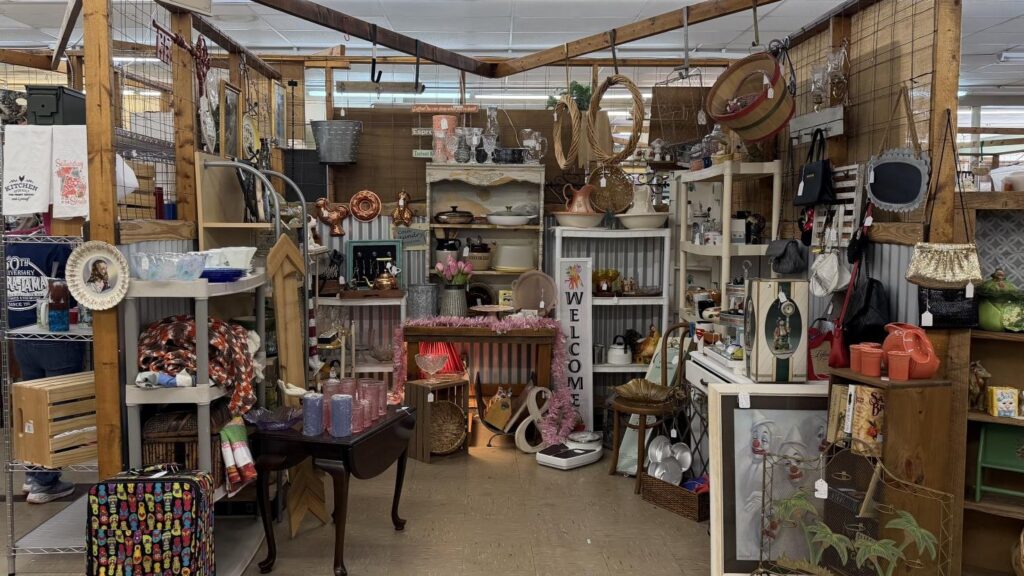
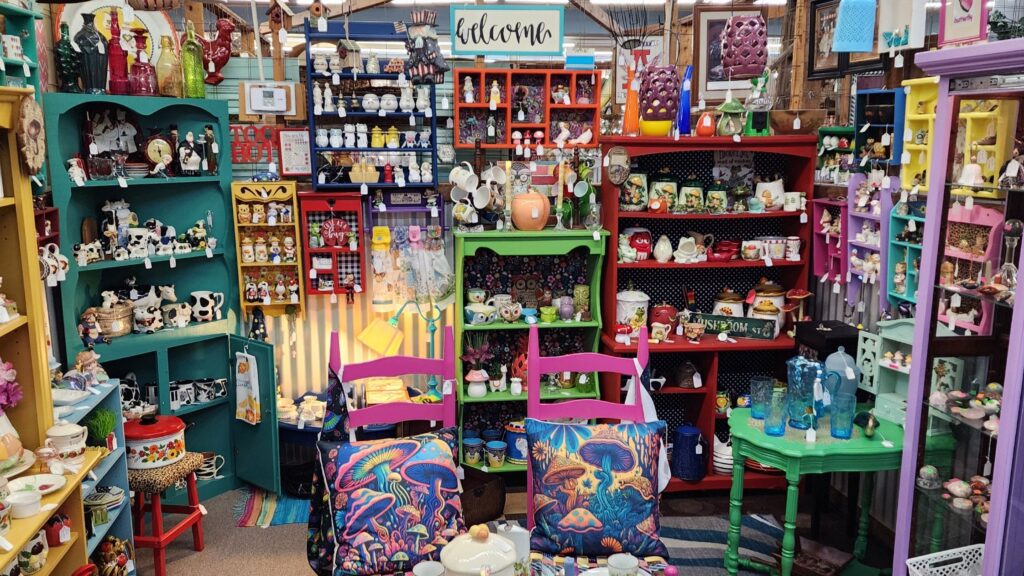
A booth that contains a wide variety of items gives customers more opportunities to discover something they want to purchase. When shoppers step into a booth and see a full display of interesting items, they tend to spend more time browsing.
On the other hand, booths that appear sparse or half empty often receive very little attention. When customers feel like they can see everything in just a few seconds, they usually move on to the next booth.
Keeping displays full helps maintain visual interest and encourages shoppers to explore the booth more thoroughly.
Many successful vendors maintain inventory with a retail value several times greater than their monthly booth rent. This allows the booth to feel full while also giving customers plenty of options.
At Rustique Relics, we often see the same pattern repeat itself. Vendors who maintain deeper inventory levels tend to see more consistent sales.
If you want a deeper explanation of how inventory depth affects booth performance, see How Much Inventory Does an Antique Booth Need.
2. Restock and Maintain Your Booth Regularly
Booths that are actively maintained often perform much better than booths that are rarely updated.
Regular visits allow vendors to:
- straighten displays
- rotate inventory
- replace items that have sold
- fill empty spaces on shelves
Working your booth regularly also keeps the space looking fresh and inviting to customers.
At Rustique Relics, we often encourage vendors to check their booth at least twice each week whenever possible. Vendors who visit regularly tend to keep their booths looking active and engaging.
As we often tell our vendors:
Empty shelves mean empty customer hands.
Even small adjustments can make a noticeable difference in how a booth appears to shoppers walking by.
A booth that changes frequently gives repeat customers a reason to stop and look again.
For a deeper look at restocking strategies, see How Often Should You Restock an Antique Mall Booth.
3. Price Items So They Move
Pricing plays a major role in booth sales.
Many vendors make the mistake of pricing items based on what they hope to receive rather than what customers are actually willing to pay in their local market.
Antique mall shoppers often browse multiple booths during a visit. When they see similar items in several places, they naturally compare prices.
If an item is priced significantly higher than comparable items elsewhere in the store, customers may simply purchase from another booth.
Items that are priced competitively tend to sell more frequently. This steady movement of inventory creates turnover, which is one of the keys to increasing booth sales over time.
Faster inventory turnover also allows vendors to bring in fresh merchandise more often, keeping the booth interesting for repeat shoppers.
For a deeper look at booth pricing strategies, see How to Price Items in an Antique Mall Booth.
4. Improve Booth Presentation
Booth design can have a major influence on whether customers stop to browse.
When customers walk through an antique mall, they are constantly scanning booths visually. Displays that stand out tend to capture attention and draw shoppers into the space.
Successful booths often use simple design techniques such as:
- layered displays
- vertical shelving
- varied item heights
- clearly defined focal points
These techniques help guide the customer’s eye and create visual interest throughout the booth.
Instead of placing items flat across shelves, many successful vendors create layers that allow customers to notice items at different heights and angles.
Small design improvements can significantly increase the amount of time shoppers spend browsing a booth.
If you want a deeper breakdown of booth design strategies, see How to Design an Antique Mall Booth That Sells.
5. Focus on Inventory That Customers Want
Sometimes booths struggle simply because the inventory being offered does not match what customers in that particular store are looking for.
Every antique mall develops its own customer base over time. Because of this, certain categories of items tend to perform better depending on location and shopper preferences.
In many antique malls, items that frequently perform well include:
- vintage kitchenware
- small home décor items
- seasonal decorations
- glassware and collectibles
- decorative vintage pieces
These items often appeal to customers who enjoy incorporating vintage touches into their homes.
This list is not all-inclusive. Sometimes unusual or unexpected items sell quickly simply because they catch a shopper’s eye.
Understanding what customers in your store respond to most can help vendors build booths that attract more consistent interest.
For a deeper look at high-performing categories, see What Sells Best in Antique Mall Booths.
6. Track Your Booth Performance
Increasing sales also requires paying attention to the financial side of booth selling.
Many vendors focus primarily on the items in their booth but overlook the importance of tracking their booth’s overall performance.
Factors such as the following all influence whether a booth is truly profitable:
- booth rent
- commission percentages
- credit card processing fees
- cost of inventory
Tracking these numbers helps vendors understand what level of sales they need to reach in order to make their booth worthwhile.
When vendors understand their numbers, they can make better decisions about pricing, inventory purchasing, and whether it makes sense to expand their booth space.
Tools such as the Booth Profit Calculator can help vendors estimate break-even sales levels and better understand how different strategies affect profitability.
Final Thoughts
Increasing sales in an antique mall booth rarely happens because of a single change. Most successful booths improve gradually as vendors refine their approach.
Booths that maintain strong inventory levels, competitive pricing, attractive displays, and regular restocking tend to attract more customer attention and produce steadier sales.
Over time, vendors who actively maintain their booths and experiment with different inventory categories often discover what resonates most with customers in their particular store.
Small improvements made consistently can gradually transform a booth into a space that customers enjoy browsing and returning to.
And in the antique mall business, booths that customers enjoy visiting are the ones that usually produce the strongest long-term sales.
Free Vendor Resources
We have a number of free booth vendor tools to use if you need help with figuring out your numbers. You will see that each calculator serves a different purpose but for an all in one I recommend the Booth Profit Calculator Pro. These tools were designed with the principles laid out in the Vintage Hustle Book Series.
Vintage Hustle Book Series
If you’re interested in learning more about booth strategy, inventory planning, and vendor growth, the Vintage Hustle series dives deeper into the principles behind building profitable antique mall booths. If you prefer to get through Amazon or ebook click here.